
Butterfly Watching Safaris in Africa: Best Places to Visit, Seasons and Travel Tips
While Africa is renowned for its wildlife safaris, there are some of the most rewarding experiences that take place outside of the typical game drives. From tropical forests and coastal woodlands to mountainous regions, Africa offers many opportunities to see a different side of the wilderness with butterfly-watching safaris. These unique wildlife tours take guests on guided nature walks to spot the different butterflies in their natural environment. Depending on the African destination and time of year, the walks can uncover swallowtails, forest nymphs, blues, whites, and a range of other butterfly species that thrive on specific plants and climate conditions.
Uganda’s Semuliki National Park is one of the prime destinations for butterfly watching safaris, while Tanzania’s Minziro Forest Reserve and Amani Nature Forest Reserve, Kenya’s Arabuko-Sokoke Forest and South Africa’s iSimangaliso Wetland Park are also great options for nature lovers.
Africa hosts an estimated 20% of the total population of butterflies globally, with an approximate number of over 6600 species. So, endemic butterfly species in Africa include the mocker swallowtail, African giant swallowtail and the ambers, normally found in Bwindi, the coastal areas like Arabuko Sokoko forest near Malindi in Kenya, the table mountain in Cape Town, South Africa.
Whether you are a wildlife photographer, family adventurer, nature enthusiast, or simply looking to learn more about the African ecosystem, these types of tours can be customised to fit your interests. Butterfly watching safaris in Africa could also be combined with gorilla trekking, bird watching, forest walks and select wildlife safaris.
Goar Africa Safari Tours offers many African wildlife and cultural experiences based on specific destinations. If you are considering a butterfly watching safari, the itineraries should be designed with the most suitable destinations, local expert guidance, the time of year and how long the nature walks will take place.
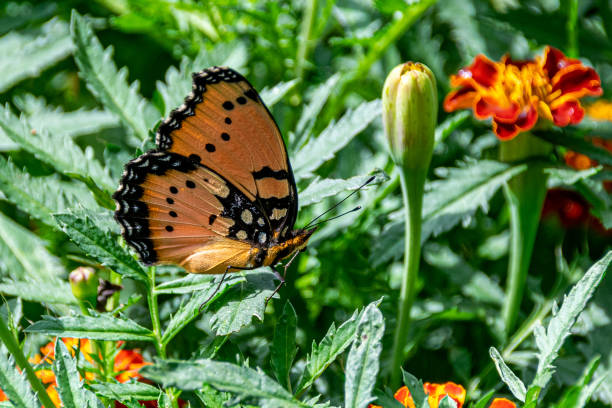
What Is a Butterfly Watching Safari?
An African butterfly tour is a guided nature experience focused on finding, observing and identifying butterflies in their natural environment. Unlike a conventional wildlife safari that mainly uses a vehicle to search for large mammals through game drives, most butterfly watching in Africa takes place on foot. Our Goar Africa Safari Tours guide leads visitors along forest trails, through woodland clearings or beside streams and riverbanks since these locations attract different butterfly species in Africa depending on the vegetation, weather and time of year.
During a walk, visitors learn to distinguish species by their wing patterns, colours, flight behaviour and habitat preferences. So, butterfly watching in Africa is not about catching or handling the insects, but the aim is to observe them without disturbing their behaviour or damaging their habitat.
Best Places for Butterfly Watching Tours in Africa
The best butterfly safari destination in Africa depends on the species you hope to observe, the habitats you want to explore and the other activities you wish to include in your trip.
1. Uganda Butterfly Watching Safari
Uganda has an estimate 1400 documented butterfly species with Semuliki National Park located in the North Eastern part of the Congo basin holding a higher total percentage.Additionall, Semuliki has about 633 distinctive butterfly species featuring unique gems like the Dusky Diadem, African Blue Tiger and the Semuliki Acrae. However, travelers in this Uganda National Park combine this butterfly safari with activities like primates tracking of the Central African red colobus.
Also, Uganda butterfly tours can be combined with bird watching in Bwindi Impenetrable National Park, which is famous for gorilla trekking. Also, the Southern region of Uganda has about 310 butterfly species with the unique species like African giant Swallowtail which is the largest butterfly in Africa. Additionally, the Charaxes that are vibrant species. Lastly, there are other butterfly viewing and research sites in Uganda like Kibale National Park, with over 250 species like the Elegant Forest Queen. For those that wouldn’t want to leave the town centre, there’s Zika Forest in the central region of Uganda.
For a specialist butterfly itinerary, Goar Africa Safari Tours can help travellers assess which locations fit their broader Uganda travel plans.
2. Butterfly Watching in Tanzania
Tanzania offers more than savannah wildlife viewing, and that’s butterfly tours. Its forest reserves, Tanzania National Parks and mountain habitats also support butterfly diversity, making the country worth considering for travellers interested in nature photography and smaller wildlife. The forest butterfly experience is different from a conventional Serengeti safari. Visitors should plan for nature walks, local guiding and the practical requirements of reaching the reserve.
So, Tanzania has over 1583 butterfly species in Africa of which 134 are endemic species. Also, Minziro Nature Forest has the highest population with over 600 butterfly species including swallowtails. The forest nymphs in its low-lying swamp water ground system harbors equatorial butterfly species in Tanzania hardly found anywhere else in the world.
Additionally, the Amani Nature Reserve has over 250 butterfly species including Bicyclus dancklemani, with the rare species known as Amauris albimaculata magnimacula. So, travellers in Tanzania normally combine the butterfly tours with tea estate visits. Lastly, while in the Minjeriviti Nature Forest Reserve, tourists can also explore the orchids, where they get excellent photographs while on their African butterfly tours in Tanzania.
3. Butterfly Watching in Kenya
Kenya’s forests and coastal habitats provide opportunities to look for butterflies alongside the country’s better-known wildlife experiences. Additionally, Kenya has approximately 900 recorded butterfly species in Africa, with most being in the Kakamega Forest Reserve, which harbours over 490 species in its tropical rainforest. So, the latter has butterfly types like the African giant swallowtail. However, one can do colobus monkey tracking and birding activities to see unique birds like the Great Blue Turaco during their Kenya butterfly tours in Kakamega Forest Reserve.
Other best places for butterfly watching safaris in Kenya include Arabuko-Sokoke Forest, with its unique sand woodland ecosystem that hosts over 260 species with rare endemic ones like the Mocker swallowtail. However, the Arabuko-Sokoke Forest authority has worked together with the surrounding communities for the conservation of the forest to enable breeding of the butterflies. Lastly, you can combine this butterfly expedition in this Kenya forest with exploring the Gedi ruins.
4. Butterfly Watching in South Africa
South Africa’s varied landscapes include coastal forests, grasslands, mountain habitats and wetlands. So, butterfly watching can form part of a broader nature trip, particularly in areas where walking trails pass through suitable vegetation. Also, South Africa holds a high population of localised butterfly endemic species in areas like the iSimangaliso Wetland Park.
So, this park comprises different ecosystems like the wetlands and also terrestrial habitats and is home to over 300 butterfly species, with migrants like the Painted Ladies alongside the local ones like the Zulu buff. In addition, you can combine your African butterfly tours in iSimangaliso Wetland Park with viewing the big 5 animals in South Africa via a boat cruise. The variety of habitats makes iSimangaliso a useful choice for travellers who want to combine butterfly watching with a wider nature itinerary. Specific sightings depend on conditions and should not be guaranteed.
Why Choose Africa for Butterfly Watching Safaris?
- Africa has areas like the Semuliki National Park in Uganda that hold a high biodiversity of butterflies. Therefore, one does not have to move from one area to another looking for distinct butterfly types, since such an area holds at least 448 recorded butterfly species. So, in a single morning walk through the forest, tourists effortlessly observe a variety of butterfly species in one area.
- Secondly, the best butterfly places to visit in Africa feature primate safaris, and this is a supplementary safari activity during trekking. Therefore, you can combine butterfly and African primate safaris, which is cost-saving. For example, combine butterfly watching expeditions alongside mountain gorilla trekking in Bwindi Impenetrable National Park.
- Next, during the Africa butterfly tours, you are physically engaged through trekking, as the safari vehicles are left behind. So, you navigate the trailways on foot, searching for the different butterfly species in Africa. Hence, this sharpens one’s senses, as they need to be alert and hear the sounds or even focus their eyes on the surroundings in order not to miss out.
- Lastly, butterfly sanctuaries in Africa like the Arabuko Sokoke forest in Kenya, display their complete life cycles in different phases, which is great for research purposes. So, butterfly tours in these sanctuaries offer an opportunity for travelers to observe the natural reproductive behaviour of these species as they turn from caterpillars to butterflies.
Best Time for Butterfly Watching Safaris in Africa
There is no single best month for butterfly watching across the whole continent. So, the best time to see butterflies in Africa heavily relies on the destination you choose. South Africa has a different climate in comparison to the East African countries of Uganda, Kenya and Tanzania, so the best time to visit South Africa for butterfly tours is from September to November and from March to April. However, in the East African countries, the best time to go for Africa butterfly tours is from June to August and from late November to early December.
So, this because the butterflies breed in the wet season and its the best season to see them. Some butterfly species become more noticeable after good rains, while others have different seasonal patterns.
| Destination in Africa | How to Plan the Butterfly Season |
|---|---|
| Uganda | Butterfly watching in Uganda is possible throughout the year. Compare local rainfall, recent weather and trail conditions before choosing travel dates. |
| Tanzania | Minziro and Amani have different forest environments. Check local conditions and guide availability for the specific reserve. |
| Kenya | Butterfly activity in Arabuko-Sokoke responds to rainfall and habitat conditions. Local guidance can help identify productive periods. |
| South Africa | Seasons vary by region and altitude. Confirm local flight periods rather than applying one national calendar to every destination in South Africa when planning your butterfly expeditions. |
Responsible Butterfly Watching and Conservation in Africa
Butterflies are fascinating creatures that play an important role in the ecosystem. Many species are closely linked to the flora of their habitats as both adults and caterpillars. Butterflies are also an integral part of food chains and act as bio-indicators of the state of the ecosystem.
The destruction of forests, the fragmentation of habitats, changes in precipitation patterns, and other environmental disturbances can have a devastating effect on butterfly populations. The preservation of forest ecosystems and the protection of the habitats of these beautiful insects is therefore crucially important for their survival, as well as for the survival of other wildlife, including primates and birds.
At the same time, tourists can and should play an active role in the conservation of these species by following simple guidelines:
Do not catch butterflies; observe them in their natural habitat.
Follow the trails and the directions of the guides; do not leave the premises of the sanctuary in any case.
Do not take caterpillars, pupas, plants, or butterflies with you in any case.
Do not injure plant life and the nests of these insects to avoid disrupting their breeding and feeding areas.
It is advisable to hire local guides and to follow all recommendations and restrictions of the sanctuary.
In addition, tourists should support only those conservation funds that directly contribute to the protection of biodiversity and have a positive impact on the local community.
Therefore, a responsible safari will focus on a conservation-based approach while providing unique opportunities for study and admiration of wildlife.
Tips of butterfly watching in Africa
- Choose a season that is transitioning from the wet season to dry season for you to monitor the caterpillar shifting to the butterfly stage.
- Nevertheless, while tracking down butterflies, concentrate on the muddy areas or riverine banks as this is where you can easily locate the butterflies most specifically the male breed
- The best butterfly viewing hours are from mid morning from around 10:00AM to the early afternoon hours around 2;00PM as this is the time they are usually more active.
- When choosing what to wear for your Africa butterfly tours, choose clothings that have a neutral color in order not to scare the butterflies with bright colors rather camouflage with the surrounding.
- Lastly, pack advanced gear that is required like the binoculars and the cameras alongside the hiking boots.
How are butterfly watching safaris conducted in Africa?
Just like any wildlife safari in Africa, a butterfly watching expedition also begins with a briefing at around 9;00 AM. So, you are told the safety precautions and how you are expected to behave during the walk then led by a specialized guide and an armed ranger. Next, start your hike to track butterflies, however at a slow pace in order not to miss out on any butterfly sightings with the guide explaining which ever type of butterfly that you encounter on your way.
Later, if you want you can combine this Africa butterfly tours with another wildlife safari like Bwindi gorilla trekking in the afternoon when in Uganda.


