
Cooking Classes in Africa: Learn Traditional African Cuisine
A cooking experience in Africa lets you experience a variety of cuisines, so tasting these rich foods is the ideal thing to do for most tourists during cooking classes in Africa. However, you go the extra mile by getting familiar with each dish you cook through learning the history that comes with the ingredients in terms of the culture that they belong to.
Discover the food, ingredients, and cooking traditions that make every region of Africa different. Cooking classes in Africa give you the chance to prepare traditional dishes with local cooks, visit food markets, explore farms, and learn how recipes are connected to everyday life. Food is one thing that unites people from different nations, but the flavorful cuisines of Africa go beyond their extraordinary taste, each dish also depicts the historical origins of each culture.
From preparing matoke in Uganda and Swahili pilau in Tanzania to making jollof rice in Ghana, Moroccan tagine, or Ethiopian injera, each experience offers a practical introduction to a country’s cuisine. Depending on the destination, you may shop for ingredients at a local market, harvest produce from a farm, or learn traditional cooking methods in a family kitchen.
At Goar Africa Safari Tours, we help travelers explore Africa through wildlife safaris, cultural experiences, and local activities. A cooking class can be included in a wider itinerary, allowing you to experience African food alongside destinations such as Uganda’s national parks, Kenya’s Masai Mara, Tanzania National Parks like the Serengeti NP and places to visit like Zanzibar, or Rwanda’s gorilla-trekking region. Availability depends on your route, travel dates, and the local hosts who operate each experience.
What to Expect from a Traditional African Cooking Class
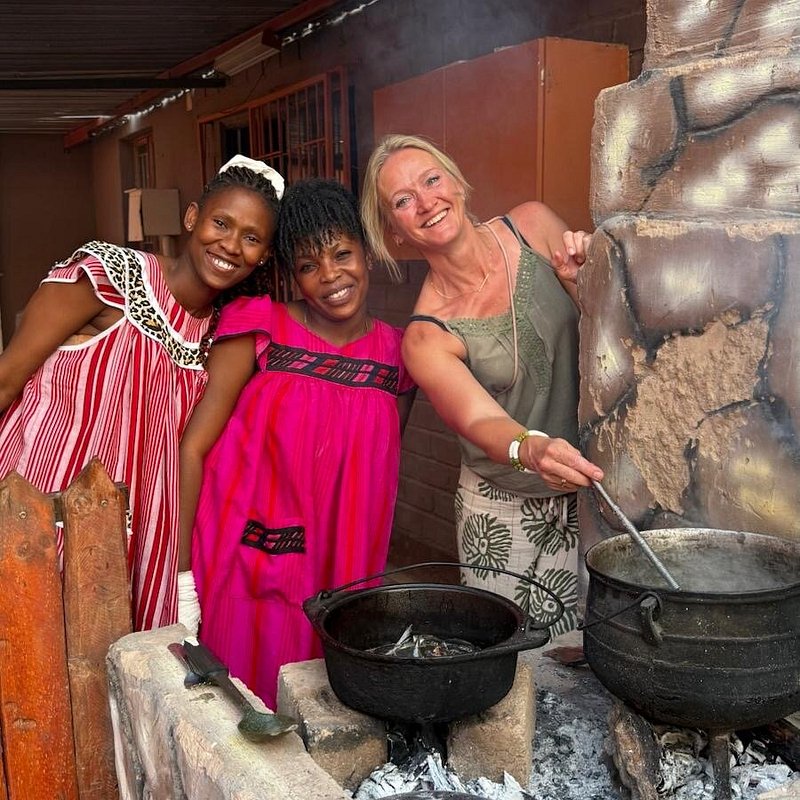
- Most African cooking classes are small, relaxed, and hands-on. So, you are rarely seated in an audience watching a chef perform. Instead, you work alongside a local cook, whether that is a village woman, a family elder, a community chef, or a lodge chef. You chop vegetables, stir pots, pound ingredients, and taste as you go.
- The local African cooking setting is usually informal. You may cook in a family courtyard, a farm kitchen, a spice plantation, or an open-air bush kitchen. Cooking equipment is often traditional and includes wooden spoons, clay pots, charcoal stoves, grinding stones, and large mortars and pestles. This is part of the appeal.
- You see how food is made when there is no electric blender or oven. So, you start by visiting the different farms, filling up the plantation of the meals that you are to prepare. Also, learn briefly about the plantation process to the harvesting process, and engage in unique local activities, like planting the seedlings and also harvesting the mature plants that you cook.
- Expect to visit the local markets in Africa to buy the spices that you use during the preparation process. Additionally, learn about the use of each spice as you prepare for your cooking process. Lastly, ensure you follow your instructor during these traditional cooking classes together with other learners. Also, follow your recipes for the meals that you have cooked alongside and expect a certificate for participation in the cooking classes during your African expedition.
Best Countries in Africa for Cooking Classes
Africa has a wide range of culinary traditions, as each region offers a distinctive kind of interest. The best destination to visit for cooking lessons in Africa depends on the food you want to learn, the type of experience you prefer, and the other activities you plan to include in your holiday.
1. East Africa: Uganda, Kenya, Tanzania and Rwanda
East Africa is a practical choice for travelers who want to combine food experiences with wildlife viewing, cultural visits, beach holidays, or gorilla trekking in Volcanoes or Bwindi or even climbing mountains like Kilimanjaro. Nevertheless, cooking expeditions here are often run in towns, rural communities, farms or coastal kitchens, depending on the destination, and are also hosted by lodges.
Ugandan cuisine features cooking bananas, groundnuts, beans, cassava and millet. Kenyan cuisine includes ugali, nyama choma, and a wide range of coastal Swahili dishes. Tanzania offers mainland cooking traditions as well as the spice-rich cuisine of Zanzibar. In Rwanda, visitors can explore dishes prepared with beans, cassava leaves, plantains, sweet potatoes, and other locally grown produce.
2. South Africa: Cape Malay Cuisine and Traditional Braai
This region in Africa offers the widest mix of influences, including Indigenous, Dutch, Malay, Indian, and British traditions. Cape Town’s Bo-Kaap neighborhood, township kitchens, and Durban’s Indian-influenced cooking each tell a different story from different cultures,, both the locals and the international. Lastly, a cooking class in South Africa can be combined with a city tour, a cultural visit, or a journey through the Cape Winelands.
Other recommended countries with the best cooking expeditions
- West Africa (Ghana, Nigeria, and Senegal) is known for bold flavors, layered stews, and pounded or fermented staples like the Egusi soup. However, Ghana is the most visitor-friendly for cooking classes, with established options in Accra and Cape Coast.
- North Africa (Morocco, Tunisia). These countries in North Africa are famous for tagines, couscous, and spice-market tours. Marrakech has some of the most developed cooking schools on the continent.
- The Horn of Africa (Ethiopia) is ideal if you want to learn injera, the sour fermented flatbread, along with rich stews and the traditional coffee ceremony.
For first-time visitors who want easy booking, good English-speaking hosts, and reliable experiences, Uganda, Kenya, Zanzibar, South Africa, and Ghana are good starting points.
The 11 Popular African Dishes You Can Learn to Cook
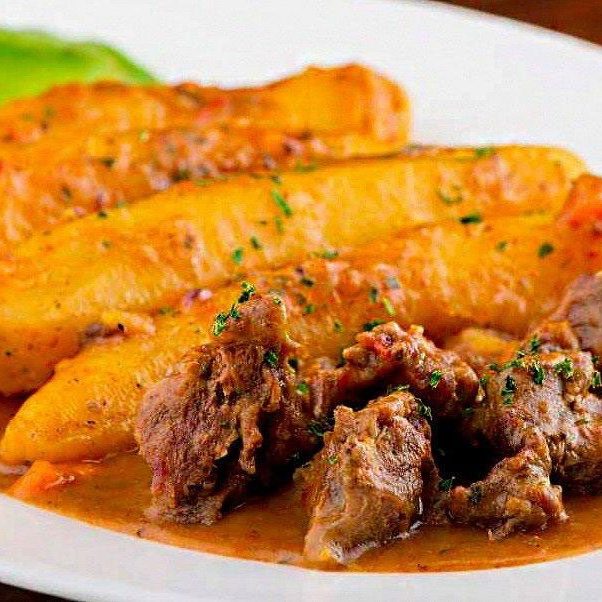
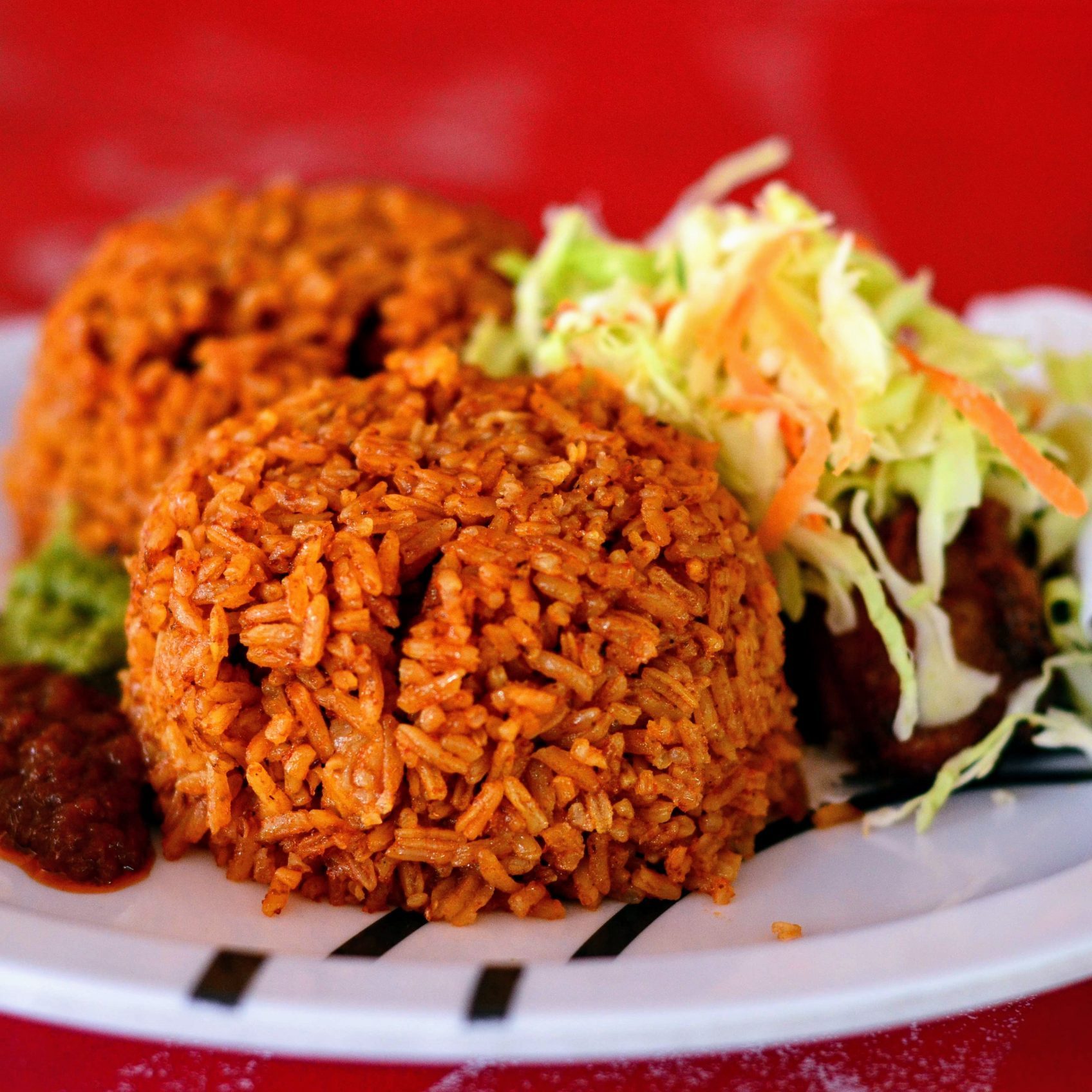
The African dishes available depend on the country, season, host and class menu. These examples illustrate the range of food experiences travelers can explore.
1. Matoke – Uganda
Matoke is a traditional Ugandan dish prepared from green cooking bananas. The bananas are peeled and steamed until tender, sometimes wrapped in banana leaves, then served whole or mashed. They are commonly accompanied by groundnut sauce, beans, vegetables or meat. A cooking class can introduce visitors to selecting cooking bananas, preparing them for steaming and making a sauce to accompany the finished dish.
2. Luwombo – Uganda
Luwombo is a well-known Buganda cooking tradition in which ingredients such as chicken, beef, fish or groundnut sauce are cooked in banana-leaf parcels. Preparing the leaves and sealing the parcel properly are important parts of the process. Lastly, the Luwombo dish is a useful introduction to the role of banana leaves and slow steaming in Ugandan cooking.
3. Rolex – Uganda
A Ugandan rolex is an omelette with vegetables rolled inside a chapati. It is a popular street food, often prepared fresh at roadside stalls. A lesson may cover making chapati dough, rolling and cooking the flatbread, preparing the egg filling and assembling the finished rolex.
4. Ugali and Nyama Choma – Kenya
Ugali is a firm maize-meal staple commonly served with vegetables, stews or grilled meat. Nyama choma is meat roasted over an open fire or charcoal. Together, they introduce visitors to everyday Kenyan food and the social tradition of sharing a grilled meal.
5. Zanzibar Pilau – Tanzania
Zanzibar pilau is rice cooked with a mixture of aromatic spices. Depending on the recipe, the ingredients may include cloves, cardamom, cinnamon, cumin, onions and meat or vegetables. A cooking class for Zanzibar Pilau can show how spices are prepared, when they are added and how the rice absorbs the flavor of the cooking liquid.
6. Mchuzi wa Samaki – Tanzania
Mchuzi wa samaki is a fish curry prepared in different regional styles. On the Swahili coast, coconut milk and spices may be used to create a rich sauce.
This dish is a good choice for travelers who want to explore coastal cooking, particularly when paired with a market visit or a spice-farm experience.
7. Isombe – Rwanda
Isombe is a popular Rwandan cuisine prepared using cassava leaves, which are pounded or finely processed and cooked with other ingredients. Recipes vary, and groundnuts or other additions may be used. A local instructor can explain how the leaves are prepared and how the Isombe dish fits into Rwandan meals.
8. Jollof Rice – Ghana and Nigeria
Jollof rice is cooked in a seasoned tomato and pepper base. The ingredients and cooking methods vary between countries and households, making it a useful dish for understanding regional differences in West African cuisine. A practical lesson may cover preparing the sauce, balancing seasoning and cooking the rice until it absorbs the flavor without becoming mushy.
9. Egusi Soup – Nigeria
Egusi soup is made with ground melon seeds and may include leafy vegetables, fish or meat, depending on the recipe. Visitors can learn how the ground seeds thicken the soup and how ingredients such as palm oil, onions and seasonings contribute to the finished dish.
10. Injera and Doro Wat – Ethiopia
Injera is a fermented flatbread traditionally made from teff flour. Doro wat is a richly seasoned chicken stew often associated with festive meals. Learning these dishes introduces visitors to fermentation, spice preparation and the tradition of serving several dishes together on injera.
11. Tagine and Couscous – Morocco
Moroccan cooking classes often feature tagine, a slow-cooked stew prepared with vegetables, meat or other ingredients, and couscous served with vegetables or a stew. Depending on the class, visitors may learn how to combine spices, prepare vegetables, manage slow cooking and serve the meal in a traditional style.
Lastly, there are more than 50 African cuisines; however, the above are some of the examples that are usually reviewed during the African cooking classes.
Traditional Cooking Classes in East Africa
East Africa is especially suitable for travelers who want to add a culinary experience to a safari or cultural itinerary. Travelers are already moving between national parks in Tanzania, Kenya, Uganda, Rwanda, so adding a food experience is simple. The region offers a mix of inland food traditions, highland farming, lake and river fisheries, and coastal cuisine influenced by centuries of Indian Ocean trade.
A cooking class can be a short activity during a city stay or part of a longer itinerary that includes national parks, community visits or beach destinations. Inland areas rely on maize, bananas, cassava, millet, beans, and leafy greens. The coast, especially Zanzibar, Mombasa, and Lamu, uses coconut milk, fresh fish, and spices brought by centuries of Indian Ocean trade. Cooking classes in East Africa are usually run by community groups, women’s cooperatives, small homestays, or lodges. Because many are community-based, your fee often goes directly to local households, which is part of why these experiences are considered sustainable tourism.
1. Ugandan Cooking Classes: Learn to Prepare Local Ugandan Food
Uganda is often called the “Pearl of Africa,” and its food is mild, hearty, and built around steaming and stewing. Spice levels are generally low, so Uganda is a comfortable choice for travelers who dislike heat.
Dishes you may learn:
- Matoke: Steamed green bananas, usually served with a sauce of groundnuts, beans, or meat.
- Luwombo: A Buganda specialty in which chicken, beef, or groundnut sauce is sealed in banana leaves and steamed slowly. Preparing the leaf parcel is a skill in itself, since the leaves are first softened over a flame.
- Groundnut sauce: Peanuts are roasted and ground by hand, then simmered into a rich sauce.
- Posho and beans: Maize flour porridge with stewed beans, an everyday staple.
- Kalo: A dense millet bread, traditionally eaten in northern and eastern Uganda.
- Rolex: A Ugandan street-food favorite where an egg omelette with vegetables is rolled inside fresh chapati. The name is a playful contraction of “rolled eggs.”
Where to find classes: Kampala and Entebbe offer city-based and market-focused classes. For rural and farm experiences, look near Jinja, Lake Bunyonyi, Fort Portal, and the Bwindi area.
Example experience: A half-day cooking class in Kampala might begin with a market visit to buy tomatoes, onions, and banana bunches. You then return to a home kitchen to make chapati dough from scratch, learn to roll and cook it on a hot pan, and finish by preparing rolex with your own fillings.
2. Kenyan Cooking Classes: Discover Traditional Kenyan Cuisine
Kenyan food blends inland traditions with Swahili coastal influences and, in cities, Indian-style cooking. Meals are often built around a starch, a vegetable, and a meat or bean stew.
Dishes you may learn:
- Ugali with sukuma wiki or beef stew: Kenya’s national staple combination.
- Nyama choma: Grilled meat, usually goat or beef, seasoned simply with salt and cooked over charcoal. It is as much a social event as a meal.
- Githeri: A hearty mix of maize and beans, sometimes with potatoes and vegetables.
- Mukimo: A Kikuyu dish of mashed potatoes, peas, corn, and greens.
- Chapati and mandazi: Chapati is a layered flatbread; mandazi is lightly sweet fried dough, often flavored with cardamom or coconut.
- Coastal dishes: Swahili pilau, biryani, and fish in coconut curry.
Where to find classes: Nairobi, the Maasai Mara region, Mombasa, Diani Beach, and Lamu.
Example experience: In Nairobi, a class might recreate a Sunday family meal. You season and grill nyama choma, make kachumbari (a fresh tomato, onion, and chili salad), and learn ugali technique. Getting ugali smooth without lumps takes strength and practice, and the host will usually let you try.
3. Tanzanian Cooking Classes: Learn Swahili and Tanzanian Dishes
Tanzania, particularly Zanzibar, is the best place in East Africa to learn spice-driven cooking. The archipelago was a major trading hub for cloves, nutmeg, cinnamon, and vanilla, and Arab, Indian, Persian, and African influences all show up on the plate.
Dishes you may learn:
- Zanzibar pilau: Rice scented with whole spices, usually served at celebrations.
- Mchuzi wa samaki: Fish simmered in a coconut and tamarind sauce.
- Urojo: Also called Zanzibar mix, a tangy, spicy soup with potatoes, bhajias, and chutneys, sold as street food.
- Chapati, maharage, and ugali: Everyday mainland meals, with beans cooked in coconut milk.
- Chipsi mayai: A French fry omelette, popular in Dar es Salaam.
Where to find classes: Stone Town and the spice farms of Zanzibar, Dar es Salaam, and safari gateways such as Arusha and Moshi.
Example experience: A Zanzibar class often starts with a spice farm walk. You smell and taste fresh cloves, vanilla pods, cinnamon bark, and turmeric root before returning to a kitchen to use them in a pilau or coconut curry.
4. Rwandan Cooking Classes: Explore Traditional Rwandan Food
Rwandan cuisine is simple, wholesome, and largely vegetable-based. Meat is traditionally eaten less often than in neighboring countries, and many meals revolve around beans, cassava, sweet potatoes, plantains, and greens. Farm-to-table experiences are common because the country is so agricultural.
Dishes you may learn:
- Isombe: Pounded cassava leaves slow-cooked with eggplant and groundnut paste, rich and earthy.
- Ibihaza: Pumpkin cooked as a simple stew or side.
- Ubugari: A firm paste made from cassava or maize flour, similar to ugali.
- Brochettes: Grilled skewers of goat, beef, or fish, eaten at social gatherings.
- Urwagwa and ikivuguto: Traditional banana beer and fermented milk. Visitors usually learn about these, and may taste them, rather than cook them.
Where to find classes: Kigali, and community-run experiences near Volcanoes National Park, Lake Kivu, and Nyungwe Forest.
Example experience: Near the Volcanoes gorilla-trekking area, a community cooking class might start in a vegetable garden, where you harvest cassava leaves and beans. Then, cook over a clay stove with members of a women’s cooperative.
5. South African Cooking Classes: Discover Local Food and Culture
South Africa’s food reflects its layered history. Indigenous Khoisan and Bantu cooking, Dutch settlers, enslaved people brought from Southeast Asia (the Cape Malay community), Indian laborers in Durban, and British colonists all left their mark.
Dishes you may learn:
- Bobotie: Mildly curried minced meat with raisins or apricot jam, topped with an egg custard.
- Cape Malay curries: Fragrant and gently spiced, often with dried fruit, rather than fiery.
- Pap and chakalaka: PMaize porridge with a spicy vegetable relish of carrots, beans, tomatoes, and peppers.
- Braai and boerewors: South Africa’s barbecue tradition, with coiled spiced sausage. The braai is a cultural ritual, not just a cooking method.
- Potjiekos: A stew cooked in layers in a cast-iron three-legged pot over coals, left undisturbed for hours.
- Bunny chow: Durban’s curry served inside a hollowed-out loaf of bread.
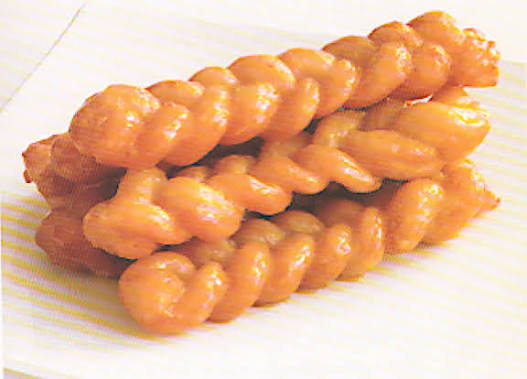
- Koeksisters: Braided pastries fried and soaked in syrup.
Where to find classes: Cape Town’s Bo-Kaap neighborhood, township kitchens in Soweto and Cape Town, Durban, and Stellenbosch wine country.
Example experience: A Bo-Kaap class might begin with a walk through the brightly painted streets and a stop at a spice shop. You then cook samosas and a Cape Malay chicken curry in a family kitchen and eat together.
6. Ghanaian and West African Cooking Classes for Visitors
West African cooking is bold, layered, and often spicy. Many dishes begin with a base of tomatoes, onions, and scotch bonnet peppers, and starches are commonly pounded, fermented, or steamed. Palm oil, smoked fish, and ground seeds add depth.
Dishes you may learn:
- Jollof rice: Rice cooked in a seasoned tomato base. The key is building deep flavor in the sauce before adding the rice.
- Waakye: Rice and beans cooked together (giving a reddish-brown color), served with stew, spaghetti, boiled egg, and shito (hot pepper sauce).
- Fufu with light soup or groundnut soup: Pounded cassava and plantain eaten with a thin, peppery broth.
- Banku and grilled tilapia: Fermented corn and cassava dough served with grilled fish and a fresh pepper sauce.
- Kelewele: Plantain cubes marinated in ginger, chili, and spices, then fried.
- Red red: Black-eyed pea stew with fried plantain, named for its red color from palm oil and tomato.
- Beyond Ghana: Egusi soup (ground melon seed stew, Nigeria) and thieboudienne (fish and rice, Senegal).
Where to find classes: Accra, Cape Coast, and Kumasi in Ghana, plus Lagos and Dakar for Nigerian and Senegalese cuisine.
Example experience: In Accra, a class might focus on jollof and explain why the sequence of steps matters: frying the onions and tomato paste until the oil separates, adding spices, and only then adding rice and stock.
What Happens During an African Cooking Class?
Here is a detailed example of how a typical African four-hour cooking session might run:
- Meet and greet (15 to 20 minutes): You arrive, meet the host and other guests, and enjoy a welcome drink. The host explains the menu and checks dietary needs.
- Market visit (45 to 60 minutes, optional but common): You walk through a local African market, learn about ingredients, and buy what you need.
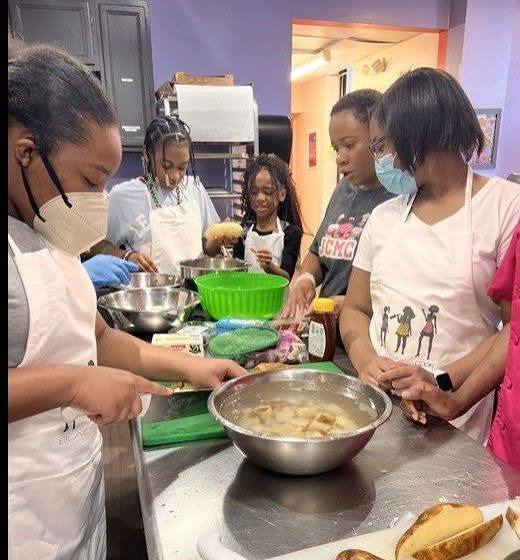
- Preparation (45 to 60 minutes): You peel, chop, grind spices, and prepare doughs or marinades.
- Cooking (60 to 90 minutes): The host guides you through each dish. While things simmer, you hear stories about the food and its cultural meaning.
- Eating (45 to 60 minutes): You share the meal, often with extra side dishes and drinks.
- Wrap-up (10 to 15 minutes): Recipes are shared, photos are taken, and you can ask for tips on substituting ingredients at home.
Visit Local Markets and Learn About African Ingredients
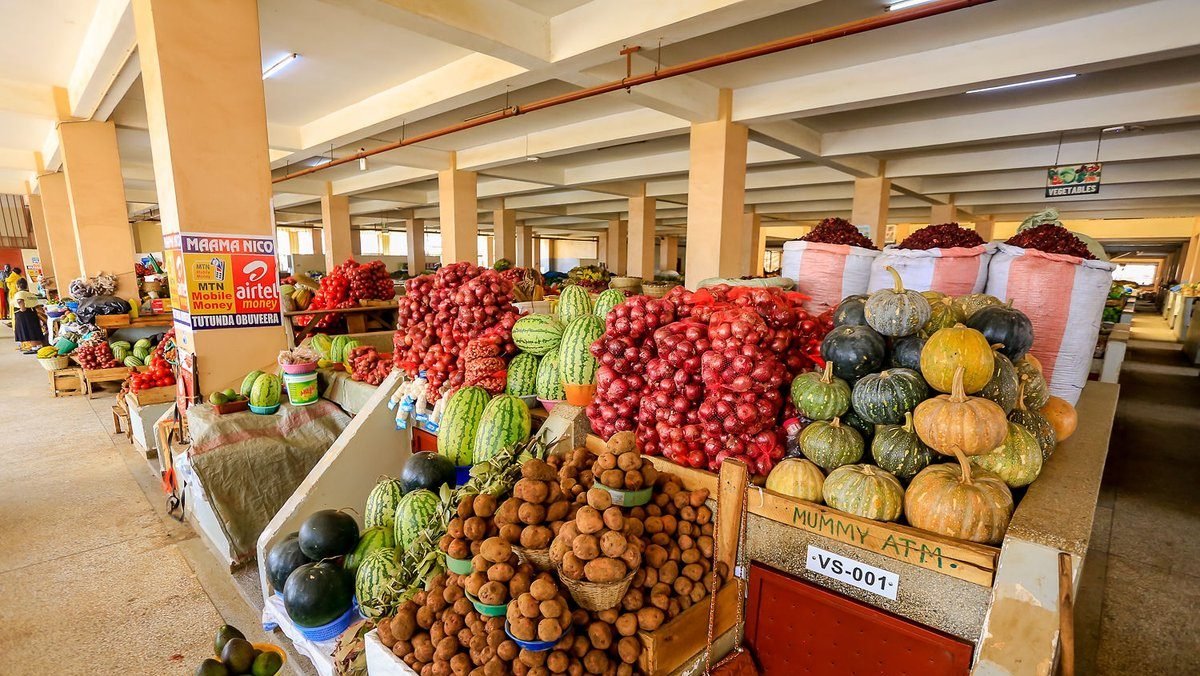
For many visitors, the market is the most memorable part of the class. You see how local people in Africa shop, how produce is arranged, and how food prices work. Your host explains how to choose good ingredients, which is knowledge that goes beyond any recipe.
What you typically learn:
- How to tell ripe from unripe plantains and cooking bananas, since each stage suits different dishes
- Spice blends and their uses, such as pilau masala in East Africa or berbere in Ethiopia
- Unfamiliar ingredients like cassava leaves, amaranth greens, dried fish, palm oil, tamarind, and millet flour
- Basic bargaining etiquette; most guides handle negotiations for you, and prices for locals differ from tourist prices
Example: At Nakasero Market in Kampala or Wilson Market in Nairobi, a guide might show you several varieties of banana, each used for a different dish. You might also taste fresh passion fruit and see local greens you would not find at home.
Farm-to-Table Cooking Experiences in Rural Africa
Farm-to-table cooking classes go beyond the kitchen not only in Africa but the whole world. You harvest, dig, pick, or even milk before you cook, which shows how directly food connects to the land.
Examples:
- Uganda: Picking vegetables and bananas on a community farm, then cooking over firewood
- Rwanda: Harvesting beans and cassava leaves from a cooperative garden
- Kenya: Visiting a Kikuyu or Maasai homestead, sometimes with maize grinding or milking
- Zanzibar: Picking spices directly from trees and plants, then cooking with them the same day
These unique food preparation experiences in Africa are especially popular with families, sustainability-minded travelers, and anyone curious about rural life. Wear sturdy shoes and expect to get a little dirty.
Learn Traditional African Cooking Techniques from Local Chefs
African cooking uses techniques that differ from standard Western methods. Learning them is one of the most valuable parts of a class.
- Steaming in banana leaves (Uganda, Rwanda): Locks in moisture and adds a subtle earthy aroma.
- Pounding in a mortar (West Africa): Used for fufu, groundnut paste, and spice blends. It takes rhythm and strength.
- Slow simmering in clay or cast-iron pots: Tagines, potjiekos, and bean stews develop deep flavor over long, gentle cooking.
- Open-fire and charcoal cooking: Braai, nyama choma, and brochettes depend on controlling heat and timing without a thermostat.
- Fermentation: Injera batter, banku dough, and fermented milk rely on natural fermentation for their sour, complex flavor.
- Stirring thick porridges: Getting ugali or pap smooth requires a sturdy wooden spoon and steady technique.
Instructors come in several types. Home cooks usually offer the most authentic family recipes. Community cooks in Africa often work in cooperatives and share local traditions. Professional and lodge chefs tend to be stronger on technique, presentation, and structured instruction.
African Cooking Classes for Couples, Families and Solo Travellers
Couples: Private or semi-private sessions work well, often paired with a sunset dinner, a coffee or wine tasting, or a beachside setting. Zanzibar, Cape Town, and Marrakech are popular for romantic experiences.
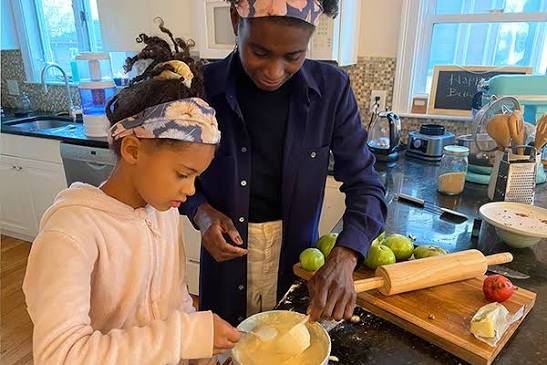
Families: Choose classes with simple tasks children can do during your African cooking expedition, such as mixing dough, shaping chapati, washing vegetables, or picking produce on a farm. Shorter formats of two to three hours work best for younger children. Mention children’s ages when booking so the host can adapt, for example by keeping chili levels low.
Solo travelers: Group classes are a friendly, low-pressure way to meet other travelers in Africa. So, this is because everyone eats together at the end, conversation comes naturally. You also get a local host who can answer questions you might hesitate to ask elsewhere.
Private African Cooking Classes and Group Experiences
Private culinary classes in Africa are just for your party. You can choose the menu, schedule, and pace. They suit families, couples, travelers with special dietary needs, and celebrations such as birthdays or honeymoons. Additionally, they also work well for team-building events. The cost per person is higher, but you get more personal attention.
Group classes typically have four to twelve people and follow a fixed menu and schedule. They cost less per person and offer a livelier social atmosphere. They suit solo travelers, budget travelers, and anyone who enjoys meeting new people.
If you are unsure, ask the provider how many people are usually in a group during your African food expedition. A class of four to eight is generally the sweet spot, since everyone gets hands-on time with the cooking.
African Cooking Classes for Tourists on Safari Holidays
Cooking classes in Africa fit easily into safari trips because they fill the gaps between game drives. Midday, when animals rest and the heat peaks, is an ideal time for a class. Late afternoons also work well.
Common pairings:
- Uganda: Gorilla or chimpanzee trekking in Bwindi or Kibale, followed by a village cooking class
- Kenya: A Masai Mara safari, then Nairobi or coastal cooking
- Tanzania: Serengeti and Ngorongoro, then Zanzibar spice and cooking experiences
- Rwanda: Gorilla trekking in the Volcanoes region, followed by a community kitchen visit
Many safari operators including Goar Africa Safari Tours can add a class to your itinerary on request, and some lodges have their own cooking sessions for guests. Mention your interest early, since a class sometimes needs a day’s notice to organize ingredients and a host.
Combine African Cooking Classes with Cultural Tours and Wildlife Safaris
Food becomes more meaningful when it is paired with the culture and landscape around it. Here is a sample 7-day Uganda Safari and cooking itinerary:
- Day 1 and 2: Kampala city tour, a visit to a local market, and a Ugandan cooking class
- Day 3 and 4: Safari in Murchison Falls or Queen Elizabeth National Park, with game drives and a boat cruise
- Day 5 and 6: Lake Bunyonyi or Bwindi, with a village visit and a farm-to-table lunch
- Day 7: Return to Entebbe for departure
You can build similar combinations elsewhere. In Kenya, pair a Maasai Mara safari with a visit to a Maasai village and a cooking session. In South Africa, combine a township tour with a braai class. In Zanzibar, combine the Stone Town heritage walk with a spice farm tour and a pilau lesson.
How Long Do African Cooking Classes Last?
- Short sessions (2 to 3 hours): One or two dishes, often with no market visit.
- Standard culinary classes (3 to 5 hours): A market visit, several dishes, and a full meal. This is the most common format.
- Full-day African culinary experiences (6 to 8 hours): Farm visits, multiple dishes, and sometimes cultural activities such as storytelling or music.
- Multi-day programs (2 to 5 days): For serious food lovers who want to cover a wide range of dishes and techniques, sometimes including regional travel.
How Much Do Cooking Classes in Africa Cost?
Prices depend on the country, the format, and what is included, such as transport, meals, and drinks. As a rough guide only, in US dollars per person:
- Community or home-based classes in Africa range from $25 to $60
- Standard group classes with a market visit: about $40 to $90
- Private or premium small-group classes: about $90 to $200 or more
- Full-day or multi-day programs: about $120 to $400 or more
Uganda and Rwanda are often at the lower end of these ranges, while South Africa, Zanzibar, Morocco, and luxury lodge experiences tend to be higher. Always check the current price with our professionals from Goar Africa Safari Tours, what it covers, and whether there are extra fees for transport or private bookings.
What Is Included in an African Culinary Class?
Most cooking expeditions in Africa include:
- All ingredients and cooking equipment
- A guide or instructor
- The meal you prepare
- Drinks, usually water, tea, or juice, and sometimes beer or wine
- Recipe notes, either printed or emailed afterward
Items that are often optional or extra:
- Hotel transfers or transport to rural locations
- Market visits (sometimes included, sometimes an add-on)
- Alcoholic drinks
- Tips for hosts and guides
Before booking, ask exactly what is covered so there are no surprises.
Where Are African Cooking Classes Held?
- Family homes and village kitchens: The most authentic option. You learn recipes that have been passed down and meet local families.
- Community or cooperative centers: Common in Uganda and Rwanda, where income supports local groups.
- Farms and spice plantations: Ideal for farm-to-table experiences.
- Lodges, hotels, and restaurants: More comfortable and polished, with professional equipment.
- Dedicated cooking schools: Found mainly in places like Cape Town and Marrakech, with structured lessons.
- Outdoor settings: Beaches, gardens, or bush kitchens, especially in safari areas.
Dietary Requirements, Vegetarian Options and Food Allergies
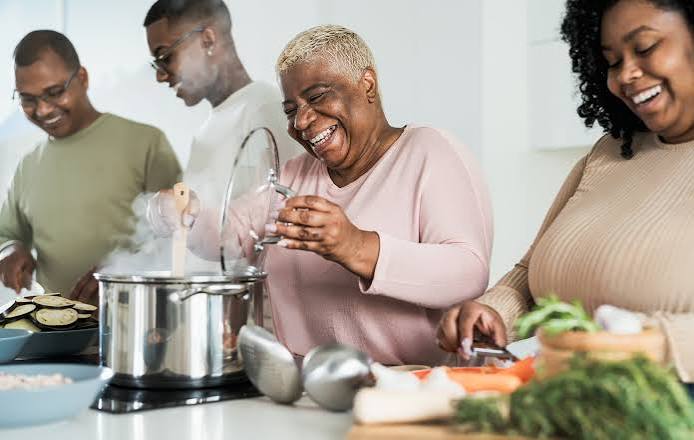
Many traditional African meals are naturally vegetarian-friendly. Beans, greens, plantains, groundnut sauces, and vegetable stews are staples across the continent. Gluten-free cooking is also common, because staples like maize, cassava, millet, and plantain do not contain gluten.
How to plan:
- Tell the host when you book, not on the day. Hosts buy ingredients in advance.
- Be specific about allergies. Peanut allergies deserve special attention because groundnut sauces are widespread in Uganda, Rwanda, and West Africa.
- Ask about cross-contact. Shared oil, utensils, and pots can be a concern for severe allergies.
- Halal and vegan menus are usually easy to arrange, especially on the Swahili coast and in Cape Town.
- Mention shellfish or fish allergies if you are on the coast, where seafood is central.
If you have a serious allergy, consider a private class where the whole menu can be controlled.
What to Bring to an African Cooking Class
- Comfortable closed-toe shoes, especially for markets and farms
- Clothes you don’t mind staining, though an apron is often provided
- A hat and sunscreen for market or farm visits
- Insect repellent for outdoor or rural classes
- A camera or phone, but ask before photographing people
- A notebook for recipes and tips
- Small cash for market purchases and tips
- An open mind and a good appetite
How to Book a Cooking Session in Africa with Goar Africa Safari Tours.
- Choose your destination in Africa and style.
- Decide whether you want a home-based class, a farm experience, a market tour, or a private session.
- Look for recent feedback on authenticity, group size, hygiene, and value hence, you need to verify with reviews before you contact the service provider
- Then you inquire about price, duration, menu, and dietary needs from our Goar Africa Safari Tours Team. However, it is advisable to book at least 4 months before you take on the expedition, and for those planning to visit East Africa, it is best either from June to October or December to January.
- Check the meeting point, transport arrangements, start time, and payment method with our team.
- You can also inquire for accommodation from the service provider, as they can often add a class to your itinerary and may know hosts personally.
Frequently Asked Questions About African Cooking Classes
Which other tour activities in Africa can one combine with the cooking classes?
Various tour activities in Africa can be combined with this culinary experience. For example, if one is having a cooking class in Uganda, they can combine it with gorilla trekking in Bwindi Impenetrable National Park. Also, if one is having this experience in Tanzania National Parks, they can combine it with the Great Migration in Serengeti National Park.
Are there any hidden costs in such classes?
Yes. There are hidden costs in culinary expeditions in Africa. Even though most of the classes are usually covered from the visiting of the plantation fields through to the cooking stage, you may need to incur some hidden costs, especially when shopping for groceries or cooking an additional meal that was not included in the package.
Where in Africa are the cooking classes offered?
There are different culinary schools in different African countries even other organizations that offer such experiences in countries like Uganda, Kenya, Tanzania, Rwanda, and others.
Is tipping mandatory when it comes to the African cooking classes?
No. Tipping is not mandatory during these expeditions. However, as a gesture of appreciation for the hard work that the chefs and the guides put in, it is best to give them a tip.
Are there dietary restrictions in African cooking lessons?
Yes, there are restrictions, especially if a certain kind of food can affect one’s health. It is best that they communicate earlier, before the experience.


