
Charity Tours in Africa: Safaris That Support Local Communities
Charity tours in Africa give travellers an opportunity to combine a holiday with support for community-led projects, education, local livelihoods or wildlife conservation. Depending on the destination and the organisations involved, a charity trip may include a wildlife safari, a visit to a community initiative, a cultural experience or a planned volunteering activity.
The purpose is not simply to visit a disadvantaged community in Africa and hand out donations. Charity travel should be done responsibly, beginning with a good understanding of the needs of the local people, who is leading the project and how visitors can help without interfering with what is already in place.
Across Africa, travellers can explore different approaches to responsible travel. In Uganda, community visits can be a nice addition to wildlife and Bwindi gorilla trekking itineraries. Visitors can experience community tourism around Tanzania safari destinations. Kenya’s community-owned wildlife conservancies link tourism to local landowners and conservation. South Africa offers opportunities to learn about community development and conservation initiatives, while travel in Congo requires careful attention to current security conditions and locally appropriate arrangements.
Goar Africa Safari Tours takes travelers on discovery journeys through wildlife, nature and cultural experiences to African destinations. For visitors interested in charity tours, the itinerary should be planned around a clear purpose, credible local partners and a realistic understanding of what the trip can support.
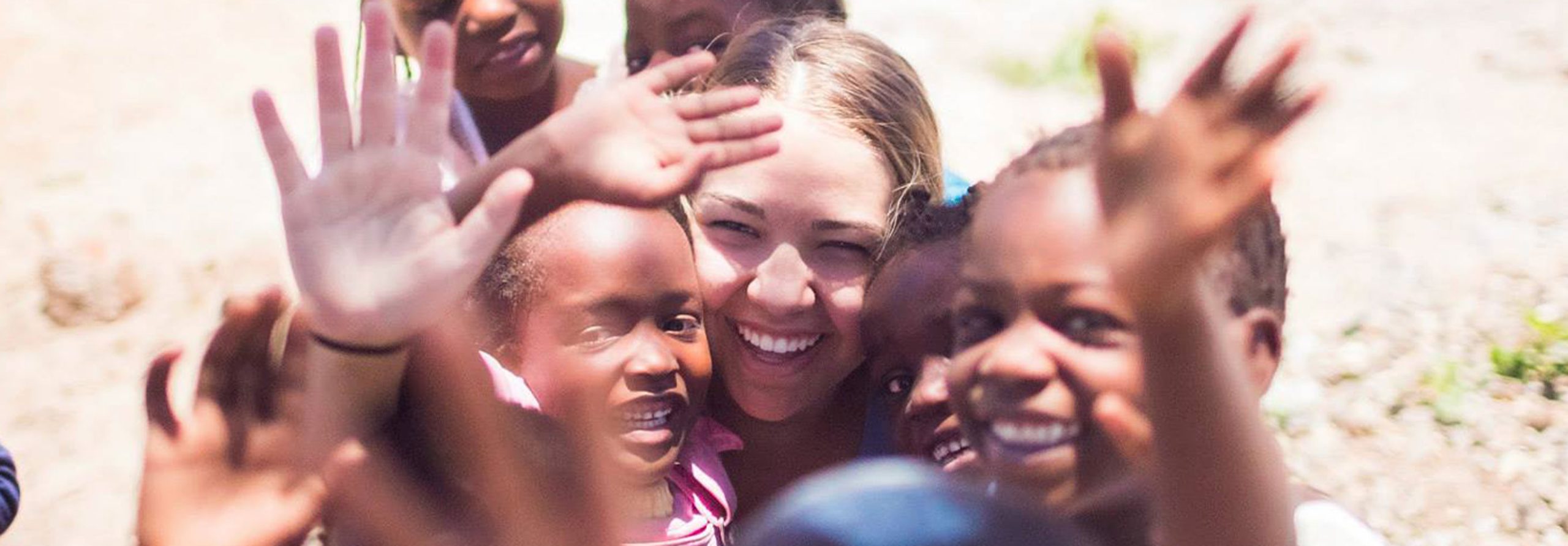
What Are Charity Tours in Africa?
Charity tours in Africa combine travel with an organised opportunity to support a community, charitable initiative, or conservation project. Support may involve a financial contribution, buying goods or services from local producers, participating in a suitable supervised activity, or visiting a project to learn about its work.
The term covers several types of experience, but they are not interchangeable.
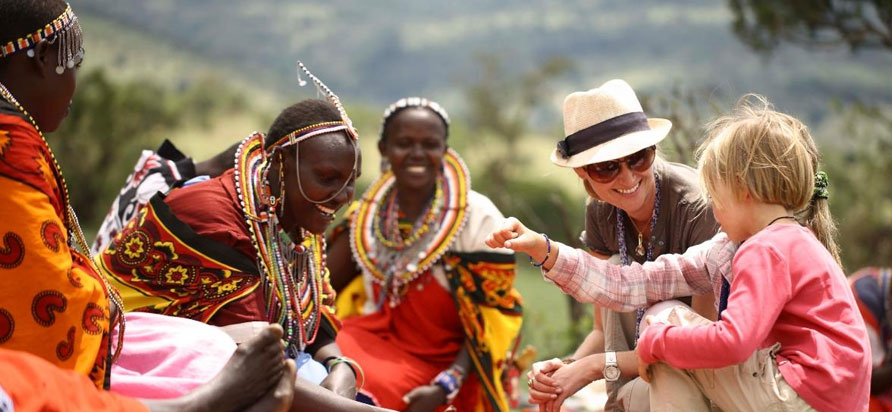
Why Choose Charity Tours in Africa?
- Supporting Priorities As Identified By Locals: Any project worth its salt starts with a solid grasp of the priorities that actually matter to the people who live there. Depending on the community in Africa, that might include vocational training, new ways to get their hands on educational materials, support for small-scale farmers, efforts to protect the land or maybe something else entirely that’s genuinely valuable to them. So, People planning a charity tour should ask what’s on the agenda for the project right now, not just assume what they think the community needs.
- Getting Beyond the Safari And Into Real Africa: Wildlife viewing is part of what makes African tourism so appealing, but it’s not the whole story. If you want a real feel for where you are, go out and talk to the people who live there through charity tours. Find out about their daily lives, their cultural traditions, how they use the land and how they interact with the world around them. When you do this, make sure you’re working with local hosts and doing so in a way that respects their space and rules of engagement.
- Bringing Travel And Learning Together: A trip that’s all about giving back can still be a great travel experience. You can go on safaris, take strolls through the countryside, try out some of the local food – and stop by some of the community initiatives that are making a difference. This way you get to see how tourism and conservation fit into people’s lives without thinking you can fix the whole system with one visit.
- Supporting Real Local Businesses And People: Putting your money into local guides, places to stay, food, handicrafts and community run tourism projects is a great way to put cash in the hands of people in the area. But the real impact depends on who actually owns the business, what kind of deal the tour operator has struck and whether they’re doing a good job of passing it on to the people who need it.
Best Destinations for Charity Tours in Africa
1. Charity Tours in Uganda
Uganda is one of the African countries still developing, and even though urban centers are industrialized with tourism booming, there are areas in this country that are financially affected. So, locals have little have access to the daily incentives to sustain a better standard of living in ghetto areas like Kamwokya, where most people are unemployed. So, tourists who come for charity tours in these areas in Uganda can volunteer by sharing professional skills like computing for the youth to gain knowledge of how they can survive.
However, in slums like Bwaise, tourists coming in for charity can fund the construction of health centers and even schools to alleviate the standards of living of the people in that community. In Uganda safari destinations like Bwindi Impenetrable Park, charity trips directly benefit the community through booking a gorilla safari with a local operator and include a cultural experience to support the surrounding community. Therefore, enjoy an adventure, knowing that the funds have been significant to the local people also.
2. Charity and Community Tours in Tanzania
When most tourists think about visiting Tanzania National Parks, what comes to mind are the wildlife safaris in Serengeti, Ngorongoro or beach safaris in Zanzibar. So, I am not saying that a thought of leisure in any of these best places to visit in Tanzania is bad; however, combining leisure with charity trips around communities makes one’s travels transformative not only for the community but also in their own lives. In Tanzania national parks like the Ngorongoro where people witness the beauty of the caldera alongside the big five, tourists can decide to visit community-run bomas and the park entrance fees paid can find construction of health centers nearby.
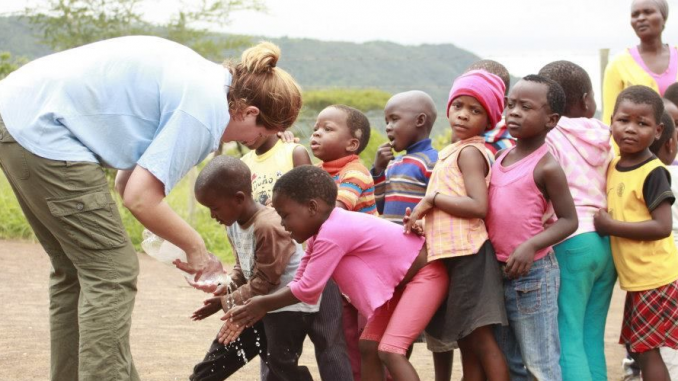
In Tanzania areas that are progressive with agriculture, like at the foothills of Mount Meru, tourists can book an agricultural tour to support the farmers. Also, in the coastal areas of Dar es Salaam in slums like Tandale, where there’s hardly any safe drinking water, African charity tours fund the construction of boreholes to supply the community with better drinking water, hence reducing waterborne diseases.
3. Charity and Community Tours in Kenya
Kenya is one of the fast-moving, flourishing countries with flourishing tourism hubs inviting people from different destinations with a lot to offer. Nevertheless, in areas like the Kibera settlement, there are a lot of vulnerable people and rising crime rates due to unemployment. So, most families barely afford the basic level of education, hence visitors who come for charity tours in such areas can help Kibera by funding the renovation of the schools so that they can increase the capacity of students and reduce the crime rate.
Secondly, in Kenya regions like Kikuyu with big numbers of grandmothers taking care of their grandchildren, tourists can start up farming cooperatives so that they are able to cater for their young ones too. In areas like the Masai Mara National Reserve, tourists can instead decide to stay in Naibosho Conservancy to support the Maasai families, plus they are able to have a cultural immersion.
4. Charity and Community Experiences in South Africa
South Africa offers a variety of community and conservation initiatives. Suitable experiences depend on the location, the organization involved, and whether it welcomes visitors or volunteers.
Community development and skills programmes
Travellers interested in education, youth development, or vocational skills should identify an established organisation in South Africa with a defined programme and clear supervision arrangements. Also, people with relevant professional experience may be able to contribute to a structured activity, but short-term visitors should not take on specialized responsibilities without the necessary qualifications and approval. Financial support should be directed through verified channels, with clarity about the intended use of funds and how the organisation reports on its work.
Communities near wildlife destinations in South Africa
Around wildlife areas in South Africa such as Kruger National Park, visitors can investigate conservation education, community tourism and local businesses that operate in the wider region. A responsible South Africa safari itinerary can include learning about conservation and community livelihoods while respecting the work of local organisations. Do not assume that staying at a lodge or visiting a park automatically funds a nearby school, clinic or community project.
5. Charity and Conservation Travel in the Democratic Republic of Congo
The Democratic Republic of Congo has important forest ecosystems and wildlife conservation areas, including Virunga National Park. However, travel conditions vary significantly by region and can change quickly. So, anyone considering a charity or conservation visit should check current official travel advice, local access conditions and the requirements of the relevant park or organisation before booking.
Potential conservation or community activities in Congo must be arranged through credible local partners. Also, visitors should not travel to a sensitive area on the assumption that their presence will support conservation or help prevent conflict. If a destination is not considered safe for the proposed itinerary, choose another location rather than placing travellers or local hosts at risk.
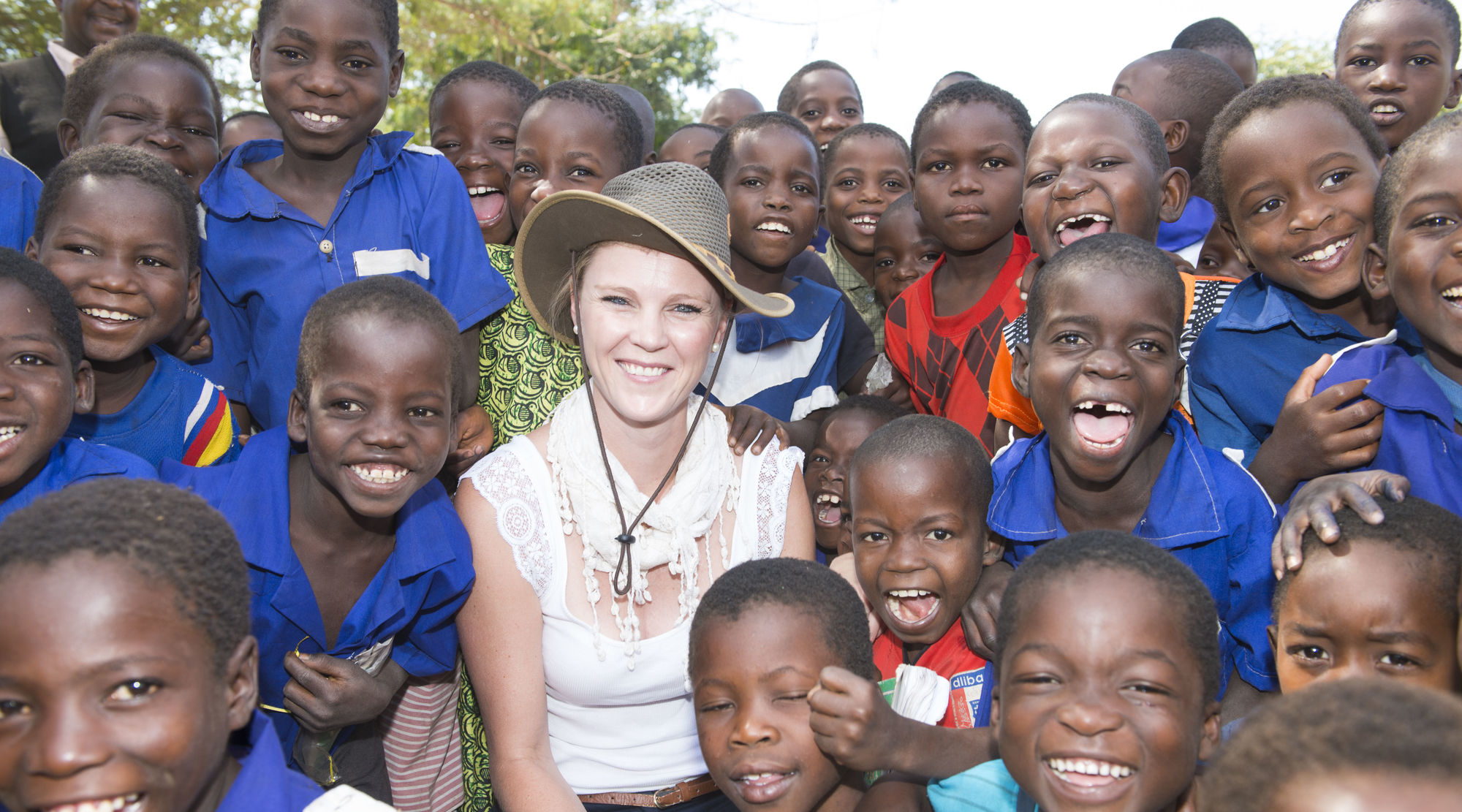
How Charity and Volunteering Trips in Africa Are Organised
The arrangements depend on whether the traveller wants to make a donation, visit a project, volunteer or include community tourism within an African safari.
Step 1: Decide what you want to support
Choose an area of interest, such as education, conservation, skills development, or local livelihoods. Start with the project rather than selecting an African destination solely because it is associated with poverty or hardship.
Step 2: Identify a credible local organisation
Check the organization’s identity, leadership, program activities, and current needs. Ask whether it welcomes visitors and what arrangements are required.
Step 3: Agree on the type of involvement
A visit, donation and volunteering placement are different commitments. Clarify the role, time required, supervision, expected costs and any restrictions before confirming your African charity trip.
Step 4: Plan the Charity or volunteer travel itinerary
Let Goar Africa Safari Tours arrange transport, accommodation, meals, guiding and any required park permits. Keep the community activity and the safari costs clear so that you know which payments relate to travel and which relate to project support.
Step 5: Receive a briefing before the visit
The host should explain the activity, local expectations, privacy and photography rules, and any health or safety requirements. Visitors should follow the instructions of the people responsible for the project.
Step 6: Confirm how contributions are handled
If you are donating money or goods, ask for the appropriate payment channel, receipt or acknowledgement. For larger contributions, request documentation describing the project and how it will report on the use of funds.
Step 7: Follow up after the trip
If the project provides updates, review them to understand what happened after your visit. Responsible support is based on a clear relationship and realistic expectations, not on a single photograph or an emotional encounter.


