
Coffee Tours in Africa: Farm Visits, Tastings and Safari Experiences
Coffee tours in Africa grant you a chance to follow coffee from the farm to the cup. Depending on the African country you choose to visit on this tour, a visit includes walking through coffee gardens, meeting growers, learning how coffee cherries are harvested and processed, roasting beans over a fire, and tasting the finished drink.
Also, each African country offers a different coffee tour experience. Uganda is known for its Arabica-growing highlands and Robusta-growing regions. Tanzania offers coffee-growing villages on the slopes of Mount Kilimanjaro. Ethiopia combines coffee production with a deeply rooted coffee ceremony, while Rwanda offers farm visits and tours of coffee washing stations near its lake regions
For travellers planning an African holiday, coffee tours can also be combined with wildlife safaris, mountain excursions, cultural visits and local food experiences.
Goar Africa Safari Tours plans coffee-focused holidays or incorporates a coffee experience into a wider African itinerary. We customise the African destination, activities, transport, and accommodation to the traveller’s interests, available time, and budget, before you go for your dream African coffee tour.
Types of Coffee Tours Available in Africa
Coffee tours in Africa range from brief visits to farms to several day trips through coffee-growing areas. So, the best choice depends on whether you want a practical introduction to coffee production, a cultural experience, or a more in-depth look at how coffee is grown and processed.
1. Coffee farm tours in Africa
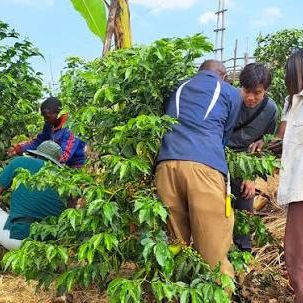
Going to a farm gets you in touch with the people and work that goes into a cup of coffee. A local farmer or guide explains how the plants grow, how the farm is maintained and how conditions such as altitude, rainfall and soil affect production. Then with a guide hike towards the coffee plantation to see the different types of coffee. Also, ask questions about the coffee, inspect the nursery and engage in planting coffee seeds with the help of the farmer.
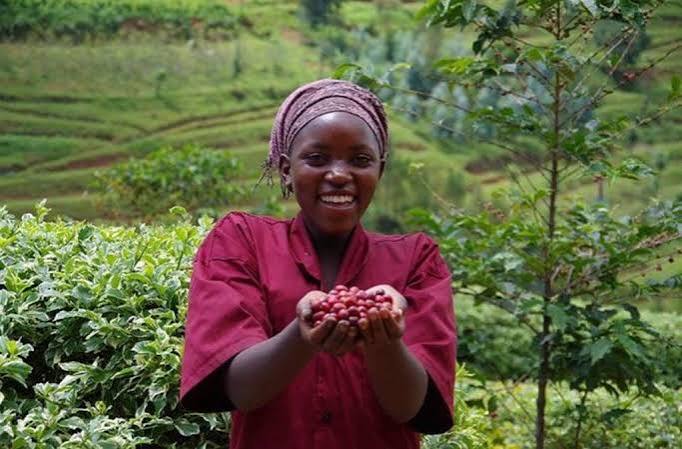
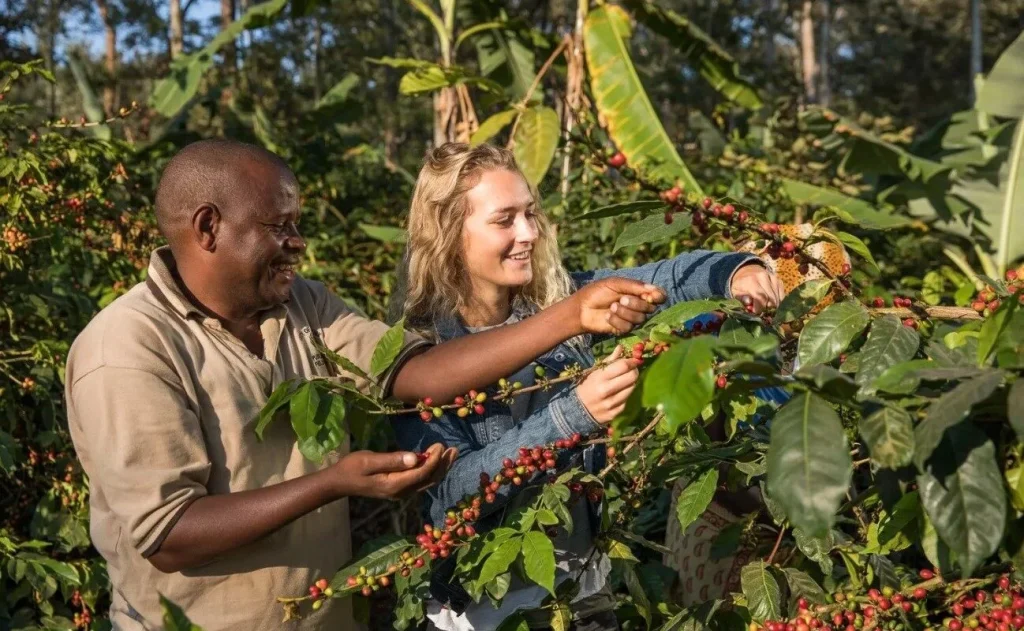
Travel in the harvest months of coffee in Uganda, between October to March for Bugisu Arabica, then participate in picking up the coffee beans in the homestead as you separate the healthy coffee beans from the damaged ones. Depending on the season and the farm you visit you may see seedlings, flowering plants, ripe coffee cherries or beans being prepared for processing. Some African coffee tours also include picking cherries, sorting the harvest and learning about the challenges smallholder farmers face.
2. Traditional Coffee Processing, Roasting and Brewing in AFrica
Some African coffee tours allow visitors to take part in particular coffee preparation stages. Hence, you may learn how ripe cherries are selected, how the beans are separated from the fruit, and how drying, milling and roasting prepare them for brewing. Traditional demonstrations often use simple equipment, including wooden mortars, pestles, trays and charcoal-heated pans. Visitors can observe the process or participate where the host permits it. The coffee arrives in small cups alongside incense and snacks, and several rounds are poured and as you savor the warm brewed coffee, each one slightly lighter than the last. In East Africa, Uganda offers village demonstrations in traditional coffee processing that take a similarly hands-on approach.
Ethiopia offers a particularly important cultural dimension through its traditional coffee ceremony. So, green beans are roasted, ground and brewed in a vessel called a jebena, then served to guests as part of a social ritual. The Ethiopian coffee ceremony is more than a tasting session, it is an expression of hospitality and community life.
3. African Coffee Tasting Experiences: Learn to Identify Different Coffee Flavors
Coffee tastings help visitors understand how coffees from different growing regions can differ in aroma, acidity, sweetness, body and aftertaste. A guided tasting may compare beans prepared using different processing methods or grown at different elevations. You can smell freshly ground coffee, taste several brews and learn how roasting and preparation influence the final cup.
Some experiences are informal tastings at a farm or cooperative. Others use a more structured coffee cupping session, in which participants compare samples using a consistent method. The contrasts across African origins are genuinely fascinating, as the Ethiopian coffees tend toward floral and citrusy delicacy, Kenyan cups are famous for a bold, berry-like sharpness, and the high-altitude beans of Rwanda and Burundi lean towards soft red-fruit sweetness nevertheless. Hence, most visitors are able to describe flavors they had never noticed before; therefore, they never see or drink coffee in the same way as before.
If you are particularly interested in specialty coffee, ask whether the tour includes a guided tasting and information about the origin, processing method and producer of each sample.

4. Coffee Tours with Village Walks and Local Markets in Africa
Coffee is part of everyday life in many African farming communities. A tour that includes a village walk or market visit can help explain how coffee fits into local agriculture, food, trade and household livelihoods. Depending on the country you choose for your coffee trip in Africa, you may visit a local market, share a meal with a host family, learn about other crops grown alongside coffee or see traditional crafts.
In Ethiopia, farm visits flow naturally into the coffee ceremony and traditional meals of injera and stews, while in Rwanda a washing-station visit may be followed by boat rides on the lakes and evening performances of traditional dance. So, these activities should be arranged with local hosts and included in the itinerary with their agreement.
5. Multi-Day Coffee Origin Journeys
Travellers to Africa with a strong interest in coffee may prefer a longer itinerary covering several farms, cooperatives, processing facilities or growing regions. A multi-day trip can provide a broader understanding of how coffee moves from cultivation through processing, grading, roasting and sale. It may also allow time to compare different coffee-growing environments and meet producers whose methods vary.
These coffee multi-day trips in Africa are particularly useful for coffee enthusiasts, café owners, roasters and buyers who want to learn more about the origins of the coffee they drink or serve.
Best Countries for Coffee Tours in Africa
Some travellers are drawn by coffee traditions, some by the opportunity to see farms, processing plants or take a multi-destination coffee-focused trip that combines coffee with nature and culture.
Uganda: Coffee Tours on Mount Elgon and Beyond
Uganda is a great destination for those who want to combine coffee tasting with walks around the farms. The Mount Elgon region produces a local variety of Arabica known as Bugisu. The farms are local and family-run, specialising in a range of produce, with coffee being one of them. Also, a Uganda coffee tour can include visiting the local Sipi Falls, a waterfall located in the highlands near Mount Elgon. In addition to Arabica, Uganda also produces Robusta coffee, so choosing this destination implies a possibility of exploring different coffee-growing regions rather than just one.
The best time to visit Uganda to see coffee plantations in the Mount Elgon region is typically the end of the year and the beginning of the next. However, it may vary depending on the specific farm and the weather conditions in a given year. Inquire with our Goar Africa Safari Tours Experts about the current state of the harvest.
Tanzania: Coffee Tours on the Slopes of Mount Kilimanjaro
If you are planning a safari in northern Tanzania and would like to combine it with a coffee experience, consider visiting the local plantations on the slopes of Mount Kilimanjaro.
A tour of coffee farms includes basic information about coffee-growing traditions in Tanzania, a walk through the plantation, and a tasting session. The local guides usually demonstrate how coffee is traditionally processed, roasted, and brewed and prepare a traditional meal. An optional add-on is visiting a waterfall or hikers’ viewpoints in the region if the weather permits.
Coffee tours can be organised both before or after a safari in northern Tanzania. You may wish to book a tour from Moshi or ask your safari company to suggest a suitable option based on your preferences and the length of your stay in the area. Other potential Alternatively, a visit to coffee plantations can be organised before or after your Tarangire, Ngorongoro, or Serengeti safari.
A multi-day itinerary in the northern part of Tanzania can include both a coffee plantation tour and a safari.
A tour of coffee plantations on the slopes of Kilimanjaro is not a substitute for climbing the volcano. If you are planning to hike Mount Kilimanjaro, make sure to allocate sufficient time for the coffee tour and the trek separately.
 Ethiopia: Coffee Origins and Traditional Ceremonies
Ethiopia has a unique coffee culture. Almost every household hosts a traditional coffee ceremony, which is an excellent way to learn about local customs and taste unique coffee. The ceremony may include roasting green coffee beans, which are then ground and brewed in a traditional jebena coffee pot and served in small cups with food and herbal tea. The whole process is quite lengthy, so you have ample time to socialise and enjoy the slow-paced atmosphere of the ceremony.
While you are welcome to join almost any local gathering, a visit to a coffee plantation can provide you with more opportunities to study traditional methods of coffee growing, harvesting, and processing. If you wish to immerse yourself in Ethiopia’s coffee culture, consider a multi-day visit to Ethiopia that includes both a traditional coffee ceremony and a tour of a local coffee-growing cooperative. A traditional coffee ceremony in Ethiopia is a highlight of any Ethiopia tour but is only one aspect of coffee-growing culture. If you are interested in Ethiopian coffee, you may wish to combine a multi-day cultural visit with a local coffee tour.
Rwanda: Coffee Farms and Washing Stations
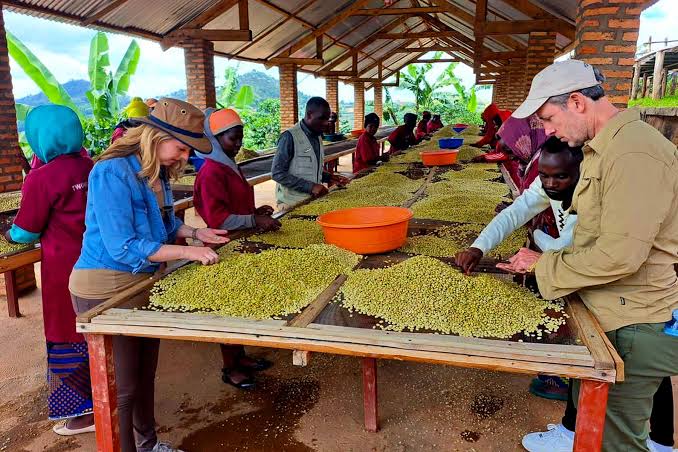
Rwanda’s rolling hills are covered with coffee farms, and you can choose from a variety of options to explore this destination’s coffee-growing culture on your trip to Africa. So, visiting a washing station provides an opportunity to see how coffee is sorted, processed, and dried. If possible, you may also want to see the equipment used for each step and the layout of the premises. The Rwanda coffee tour by the Goar Africa Safari Tours operators includes a visit to a coffee plantation, depending on its location relative to the washing station.
Coffee tours in Rwanda are a great addition to a larger cultural or natural park visit. Lake Kivu Region allows you to have a choice of farms and washing stations to visit. Please note that each station has its own opening policies and hours that depend on the season and staffing. You may also wish to plan your African coffee trip around the local gorilla tracking season.
A coffee holiday in Rwanda can be combined with a lake visit, local culinary tours, or a national parks tour. If you are planning to do gorilla tracking in Volcanoes, a coffee tour can be scheduled in Rwanda around the day of your trek or the closest day when you are not scheduled to track the gorillas.
 Kenya: Coffee Farms, Estates, and Tasting Experiences
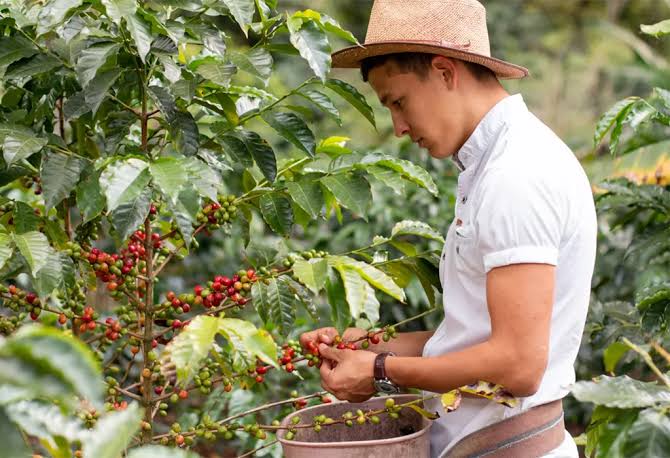
Kenya is another popular destination for those who wish to explore African coffee culture. Around the central highlands of Kenya, you will find several coffee farms offering insights into the local coffee-growing traditions. A visit to a local plantation usually includes information on coffee-growing practices, harvesting traditions, and coffee tasting. There are various coffee tours on offer, ranging from purely cultural itineraries to multi-day excursions that include coffee production, brewing workshops, and tasting sessions comparing coffee grown in different regions.
A tour of coffee farm estates can be organised as a day excursion from Nairobi or as a part of a multi-day coffee tour in Kenya. A coffee plantation tour may also be combined with a visit to other local farms, depending on availability. Note that not all coffee estates open for private visits, so it is best to consult with us to plan your itinerary.
Coffee Tours in Africa for Couples, Families and Solo Travellers
Couples find coffee tours in Africa unexpectedly romantic, with activities included like a shared walk through shaded gardens, a private roasting demonstration, and a waterfall at the end of the trail . Also, having sunset drink over the mountain that are all compressed into a single gentle day. Our Goar Africa safari Tours team happily arranges private versions for two, and many honeymooners in Africa rank their coffee farm visits among the trip’s highlights precisely because it is slow, personal and free of crowds.
Secondly, families discover that coffee farms are natural classrooms for their children to engage in activities like pounding beans and tasting tiny sweetened cups, and the hands-on format holds their attention in a way lectures never could. Lastly, solo travellers to Africa benefit the most because group departures mix travellers from every corner of the world, and shared tasks like stirring the roast break the ice faster than any hostel kitchen. So, whatever your situation, the coffee tour in Africa adapts to the coffee farm and treats everyone the same.
Private Africa Coffee Tours and Small Group Experiences with Goar Africa Safari Tours
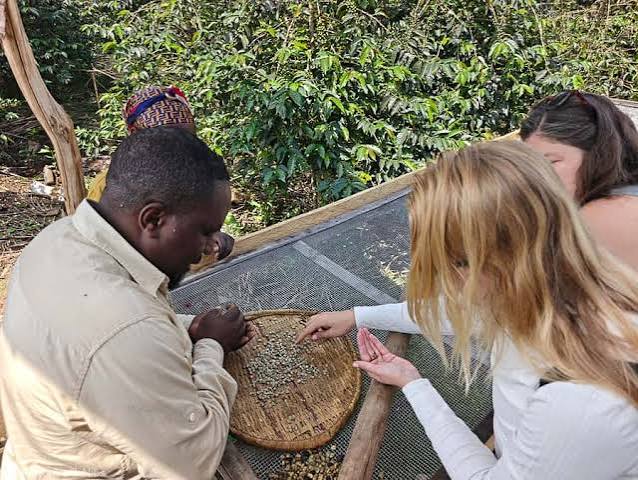
Booking your African coffee trips privately with our professional travel team transforms the visit from an attraction into a conversation. Without any obstructions from the crowd, the coffee demonstration waits for you, and questions go unanswered until you think of them. Do not miss seeing the fermentation tanks and when you are a solo traveler you can skip what doesn’t interest you, and enjoy your preferred coffee tour activity. Hence, photographers, enthusiasts, and anyone celebrating something special tend to find the premium experience well spent with Goar Africa Safari Tours.
Small-group African coffee tour experiences, typically a handful of travellers, capture most of that intimacy at a shared cost. The group fits comfortably into a family homestead, the guide can run a proper tasting rather than rushing the experience. Also, lunch is usually cooked by the hosts themselves. Smaller numbers also mean the coffee visit genuinely supports the community since fees flow to the guides, cooks and farmers who create the experience, rather than vanishing into a large operator’s margin. Therefore, if one is interested in such a tour, they can book a few weeks ahead in high season and confirm exactly what the price includes with our travel experts team.
Combine Coffee Tours with African Safaris and Cultural Holidays
A coffee day is the perfect complement to a wildlife safari in Africa, and experienced travellers build itineraries around such a combination. The mixture of the two works ideally because after early wake-up calls and dusty game drives, a farm visit offers green shade, slow walking and conversation that is a restorative change of pace rather than another demanding excursion. Therefore, after the thrilling activities like the game drives, allow your mind and body to relax in a calmer ambience with astonishing backgrounds like the Sipi falls on Mount Elgon.
Also, some African regions make the combination of coffee and wildlife tours in Africa almost effortless. For example, the slopes of Kilimanjaro below the northern Tanzania National Parks, the highlands within reach of Kenya’s Rift Valley, and the misty hills where gorillas live a short drive from Rwanda’s washing stations. Cultural holidays blend just as naturally, since markets, dances, cooking and craft villages are found in every coffee destinaton.
Coffee Tours Near Kilimanjaro, Arusha and Other Safari Destinations
The Kilimanjaro region is a heartland of coffee expeditions in Africa, and for good reason, thousands of smallholder gardens cover the mountain’s lower slopes within easy reach of both Moshi and Arusha, the two main access hubs for game safaris and mountain trekking in Tanzania. Village experiences here pair coffee demonstrations with waterfall hikes, alongside Chagga home visits where you get immersed into a new cultural atmosphere.
Also, exceptional views of the Mount Kilimanjaro summit itself complement this best single coffee day trip in Tanzania. The same applies to other African safari hubs like Nairobi with historic estates, so a morning tasting connects cleanly to an afternoon flight toward the game parks. Kigali serves as the gateway for washing-station visits en route to the gorilla mountains, and Addis Ababa offers ceremonies and market explorations before or after touring the coffee farms.
Best Time of Year to Take a Coffee Tour in Africa
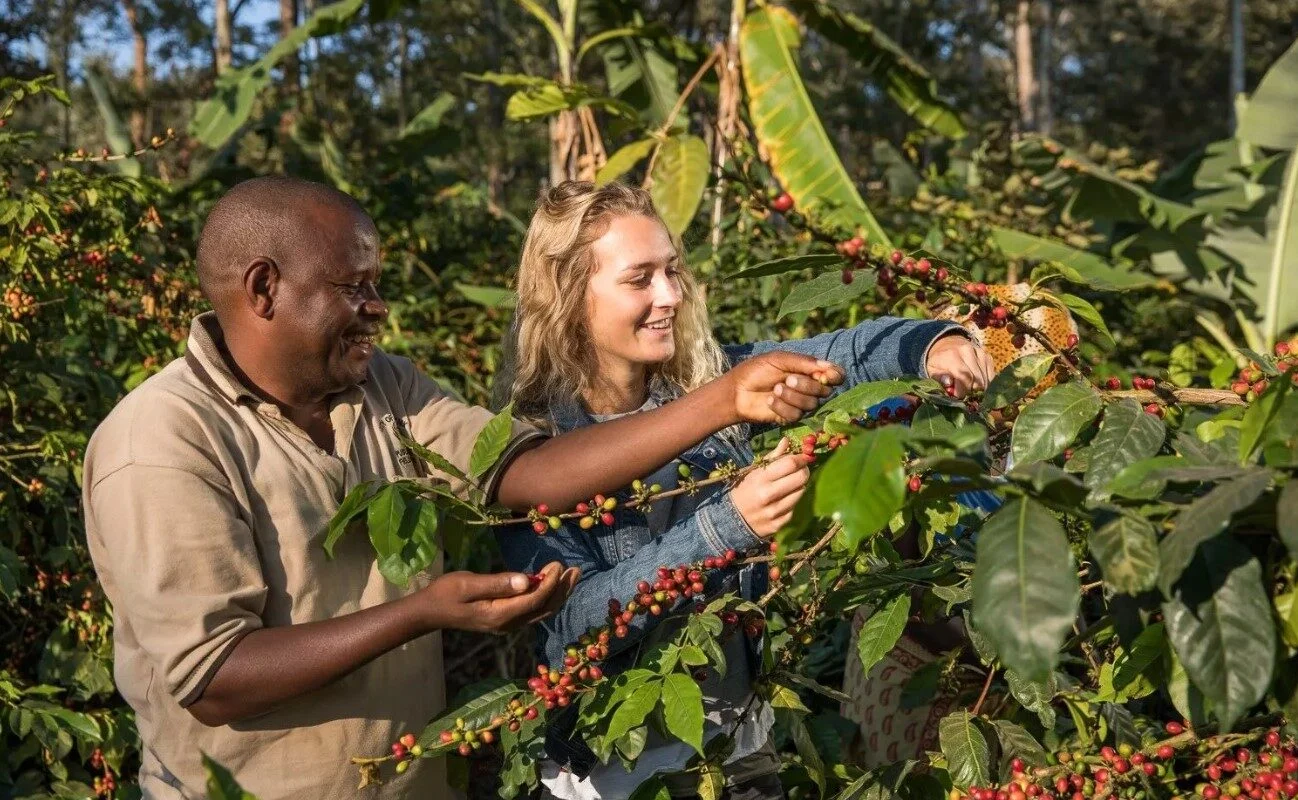
The best time to go for a coffee trip to Africa depends on the country you visit. Ethiopia’s harvest runs roughly from October to February, while much of East Africa picks from the middle of the year towards its end, with variations by altitude and region. In those months, washing stations hum, drying tables gleam with fresh cherries, and farmers have energy, and they are motivated to talk about the season’s quality.
That said, there is no wrong time to visit since processing, roasting and brewing demonstrations continue year-round because they work with stored beans, so the core of any tour never disappears. Off-season travel brings quieter paths, unhurried conversations and easier bookings, while dry-season months make farm paths and mountain views more pleasant. Travellers who want both harvest activity and comfortable weather should aim for the overlap months at the start of each region’s picking season.
How Long Does a Coffee Farm Tour Take?
Coffee experiences come in every kind of length depending on how long one wants to take on the tour. The shortest genuine coffee visits can run an hour or two involving a walk through the garden, a look at the processing equipment and a tasting. So, this is enough to understand the basics when your schedule is tight and this is ideal for travelers who have a busy schedule. The standardized format usually done by travelers can usually take a half-day, typically 4-6 hours, which is where the experience becomes more lively as in that period.
So, you do a lot of coffee activities like picking cherries, process them, roasting, grinding, brewing, and drink, with a shared meal and unhurried conversation woven through. However, the full-day coffee tours in Africa add travel to more distant farms or extra cultural stops, while multi-day journeys, found mainly in Ethiopia, allow you to visit several regions, meet many families, and taste enormously different cups. Therefore, choose the length depending on your interest, as two hours gives you knowledge, half a day gives you memory, and several days gives you understanding about the coffee
How Much Do Coffee Tours in Africa Cost?
Coffee tour prices in Africa vary more with format than with quality, but every kind of budget is available to travelers, so no one is left out. Community-run village visits and washing-station tours are more affordable, often costing less since the funds go directly to local guides and host families. Standard half-day group African coffee trips with transport and lunch included sit in the low-to-mid price range, still remarkably gentle compared with what a similar day would cost in Europe or North America. However, coffee tour costs rise when you add privacy and distance. A private booking for a coffee trip in Africa means paying for the vehicle and guide alone, so solo travellers pay more per head than a couple or a group of friends splitting the fare. Multi-day origin journeys include vehicles, guides, accommodation, and access throughout naturally reach a different inclusive that is a variety; therefore, choose the price that fits your budget.
What Is Included in an African Coffee Tour?
An ideal coffee expedition goes far beyond more than a walk between bushes because at least you should expect a knowledgeable guide, the farm or station visit itself, and the full demonstration of picking the coffee that is of the season, processing, roasting, grinding and brewing and a rewarding end with a tasting of the finished coffee. Most half-day and full-day tours also include transport from a nearby town, entrance fees, and a meal or substantial snacks prepared by the host family, which is often a highlight in its own right.
Beyond those basics, inclusions vary as Some packages add waterfall hikes, market stops, cultural performances or village walks but the private versions may include custom timings, hotel pickup and a cupping session with several contrasting lots. Beans purchased on site are almost always extra, though they tend to be fresher and fairer-priced than anything you could buy at home hence you should Always confirm the list in writing when booking, but note that what one operator includes, another may charge for separately.
What to Wear and Bring on a Coffee Farm Tour
Dress for a fair tour, and it is ideal to pack Sturdy closed shoes are essential for hiking, since paths between the trees can be muddy, uneven, or steep, and the drying areas and processing yards demand sure footing. Light, breathable clothing suits the lowland heat, but bring a layer for the cool mornings common at altitude, plus a hat and sunscreen for the exposed walks between shade canopies and to protect the delicate skin from the sun.
Choose colours and fabrics you don’t mind staining coffee pulp and red soil are both enthusiastic. Beyond clothing, a small daypack covers everything else: a drinking water bottle, insect repellent, a light rain jacket in the wetter months, and cash for buying beans or tipping, since farm villages rarely offer card payments. A camera or phone is a must to capture every memorable moment.
Frequently ask questions about Africa coffee tours
Are coffee tours physically demanding?
Yes, coffee tours in Africa are a bit physically demanding because most of the plantations are located in mountainous or hilly areas that require tourists to hike to the upper slopes. Additionally, some activities like milling the coffee with a pestle also require use of energy.
Is it required to book the coffee tour in Africa months in advance?
Yes, it is required to book for coffee trips with us at least 3 months in advance for our team to prepare this expedition perfectly and to know what is needed or not.
What is the age limit for coffee tours in Africa?
There is no official age limit for coffee expeditions in Africa. However, some local farm operators may not allow children below eight years to do some activities like hiking to the coffee plantation, which is physically demanding.
During the coffee expedition in Africa, can I purchase the coffee?
Yes, it is advised, in fact, to purchase the coffee during the expedition, and it is at an affordable price. Secondly, purchasing the coffee during your expedition is a way of showing a sign of appreciation for their hospitality. So, it is highly recommended to carry local currency as some of the owners of the farm may not allow use of credit card.
Can one combine to African countries for a coffee tour?
Yes, one can combine two African countries, for example, Uganda and Rwanda for the coffee tour experience to help them to choose the best combinations for the tour


