Cultural Tours in Uganda – Explore Tribes, Traditions & Heritage in Uganda
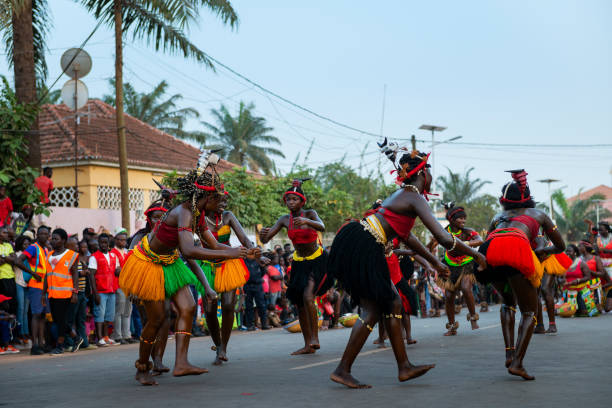
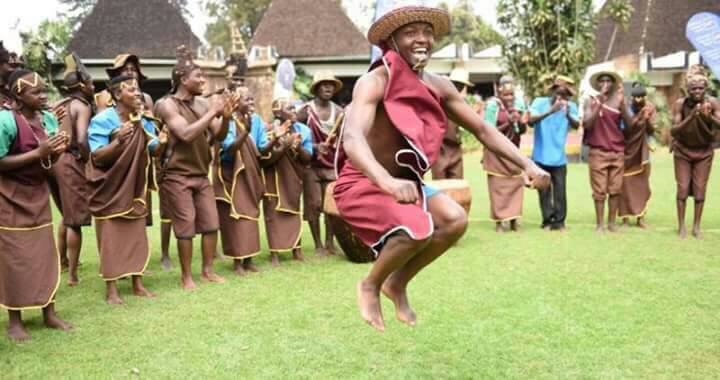
Cultural tours in Uganda are a truly special way to experience the diverse heritage of East Africa. With well over 65 different indigenous tribes calling the place home, Uganda is a real melting pot of traditions, languages, music, and dance. Also, the country has various ancient kingdoms that have thrived there over the centuries. On a cultural tour in Uganda, step beyond wildlife and meet the people who genuinely make this country tick – including:
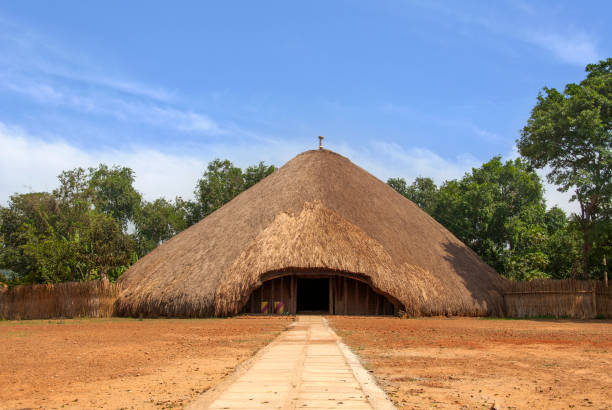
- Get a feel for the rich heritage of the Buganda Kingdom in the centre of the country. So, visit the Kasubi Tombs (there’s even a UNESCO listing for the place). Additionally, watch the Kabaka’s palace, and experience the energy of Kiganda drumming and dancing firsthand.
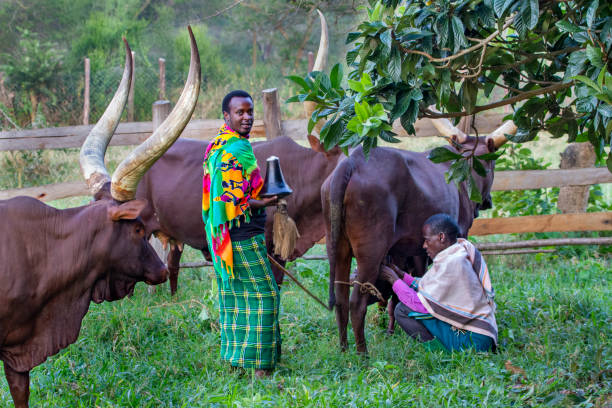
- Head on out west to meet the Banyankole and Bakiga communities, where they’ll introduce you to the Ankole long-horned cattle. Also, these cattle are sacred, you know. Join in with some traditional dances around the fire with the energetic locals.
- Travel up to the north to the Acholi people during your Uganda cultural tours. So, prepare to be moved by the soulful Larakaraka courtship dance and hear some real stories of hope and reconciliation as told through music.
- Down in eastern Uganda, get totally immersed in the warmth and welcome of the Basoga and their royal Kyabazinga kingdom along the Nile – its magic.
Cultural tours in Uganda are truly intimate and authentic experiences, often changing your life. You’ll be sharing meals with the locals, learning all sorts of traditional crafts. Also, attend real, live ceremonies in Uganda and before you know it, you’ll have a whole new appreciation. Want to experience the real Uganda through its people? Book your cultural tour in Uganda now, and you’ll get to see the kinds of traditions that most travellers will never get to see.
Why choose Cultural Tours in Uganda?
- Uganda has a rich cultural heritage with over 40 distinct tribes in the different regions of the country. So, a Uganda cultural tour offers an opportunity to explore the unique differences in the traditions and customs of the tribe.
- The cultural exploration in Uganda comes with the opportunity to taste different traditional meals of the various cultures. For example, the locally brewed beer of the Karamojong.
- One also gets familiar with the day-to-day life as they interact with the different tribesmen in Uganda. So, build a bond that is part of the long-lasting memories during your cultural tour in Uganda.
- Uganda cultural tours involve visiting historical landmarks, such as the Kasubi tombs. So, this brings more enlightenment and a deeper understanding of the ancestors of the different tribes in Uganda.
- You get to widen your perspective of life as you acknowledge the unique cultures in Uganda. So, witness traditional entertainment such as the “Kadodi” dance of the Bagisu people, which is a form of celebration usually after the circumcision practice.
Top 5 Tribes & Kingdoms to Visit during Uganda Cultural Tours
1. The Baganda Tribe in Central Uganda.
The Baganda tribe is the largest among the groups, taking most of the parts in the Central region of Uganda, with the capital city, Kampala, inclusive. Also, they belong to the Buganda kingdom, currently led by Kabaka Ronald Muwenda Mutebi 2. Additionally, the Buganda Kingdom is regarded as one of the most powerful kingdoms in Africa. So, this is because of their strong influence in the political, economic, and cultural dominance in Uganda.
2. The Banyakole tribe in Western Uganda.
These are found in the Western region of Uganda, belonging to the Ankole region. The Banyankole are both cattle keepers (Bahima) and also practice crop growing (the Bairu). The “Banyakole’’ phrase means people who eat green vegetables. Their current capital city is Mbarara.
3. The Banyoro People of Uganda.
This ethnic group belongs to the Bunyoro-Kitara region in Uganda, currently led by Solomon Iguru I, the 27th Omukama. Also, they are popular for being one of the African Kingdoms that rejected Colonial rule in ancient times. The Banyoro are also found in Western Uganda, most especially the Albertine region. Lastly, their city is called Hoima.
4. The Basoga People in Eastern Uganda
People of this ethnic group thrive in the Eastern region of Uganda, mostly in the regions around the Source of the Nile in Jinja. Additionally, the staple food of the Basoga is ‘’malewa’’. These people are crop farmers, and they also practice fishing at the same time with industrialization. Lastly, William Wilberforce Kadhumbula Gabula Nadiope IV is the reigning Kyabazinga (King) of Busoga, a constitutional kingdom in modern-day Uganda.
5. The Acholi People.
The Acholi are found in the Northern region of Uganda in districts such as Gulu, Lira, and Pader. This ethnic group is part of the Luo-speaking people, and their staple food is called Malakwag. The Acholi carry out farming of both crops and animals.
Must-Visit Places in Uganda for Cultural Tours
Selecting a destination is always just the start of the cultural safaris in Uganda. From the ancient Batwa (pygmy) forest people of Bwindi Impenetrable National Park and Mgahinga. The Karamojong warriors of the remote far north east, right through to the fishing communities down on Lake Victoria. So, every region in Uganda has a whole different story to tell. Below are the must-visit places for the cultural tours in Uganda.
Visit Central Uganda for a cultural tour
The central part of Uganda is mostly occupied by the Baganda people. So, here are some are the places in Central Uganda one should consider going to for cultural tours.
- Kasubi tombs: This place is of major significance to the Baganda as it portrays Uganda’s history. Also, it is a UNESCO heritage site that provides educational facts about the history and ancestral remains like the burial grounds of the Buganda Kings.
- Uganda Museum: This museum portrays Uganda’s historical artifacts of the different cultural groups and ethnic groups in Uganda. Additionally, the Uganda museum has a gallery section that has exhibits of archaeology, traditional musical instruments like xylophones and traditional drums.
- Visit the Ndere cultural center: The Ndere cultural center is a ground where one gets to be entertained by a group of performers showcasing music and dance that establish the rich Ugandan heritage of different tribes, including the Bakiga, Baganda, etc. Also, you’ll be mesmerized by the vibrant performances and Ugandan local delicacies that are served here.
- Entanda cultural village: ENtandn village is located in the outskirts of Kampala in Mityana district. So, visiting this place during your Uganda cultural yours is an eye-opener. Additionally, know the historical world of colonial rule in the Buganda Kingdom and the ancient spiritual world harmonizes with the world of today. In Entanda Cultural village, learn how different traditional activities like blacksmithing, weaving and hunting exhibitions were carried out by the ancestors. Also, you can learn how to prepare traditional food.
Visit Eastern Uganda for cultural Encounters
The Eastern region of Uganda has the Bagisu, who are found in areas of Mount Elgon and Mbale district. Also, the Sabiny people stay in the eastern region of Sipi Falls. Lastly, the Basoga who are found in Jinja, where’s there’s the source of the Nile and the Kamuli district. All these tribes in the eastern region have rich Uganda cultural tour experiences worth trying out. Below are the must-visit places for cultural experiences in Eastern Uganda.
- Sipi falls region: This region is mostly inhabited by the Sabiny and Sebei people. So, during your cultural tour in the Sipi falls region, explore the culture and the unique attraction, which is the Sipi Falls. Also, you can do birding and nature walking safaris in addition to your Uganda cultural encounters in Sipi Falls. Lastly, explore the different homesteads of these people and immerse yourself in their unique culture, customs, and traditions.
- Busoga Kingdom and Jinja (source of the Nile): While in the Busoga Kingdom, visit the heritage site of the Basoga at Kagulu Hill and the Royal Palace of the Kyabazinga. So, dive into the unique traditional architectural structures that symbolize the hard work of the ancestors. As you tour the palace, know more about the historical facts and evidential accounts about this Kingdom. The River Nile, on the other hand, has spiritual significance to the Basoga and is worth a visit. Hence, combine both the cultural and the River Nile safaris while at the eastern Uganda.
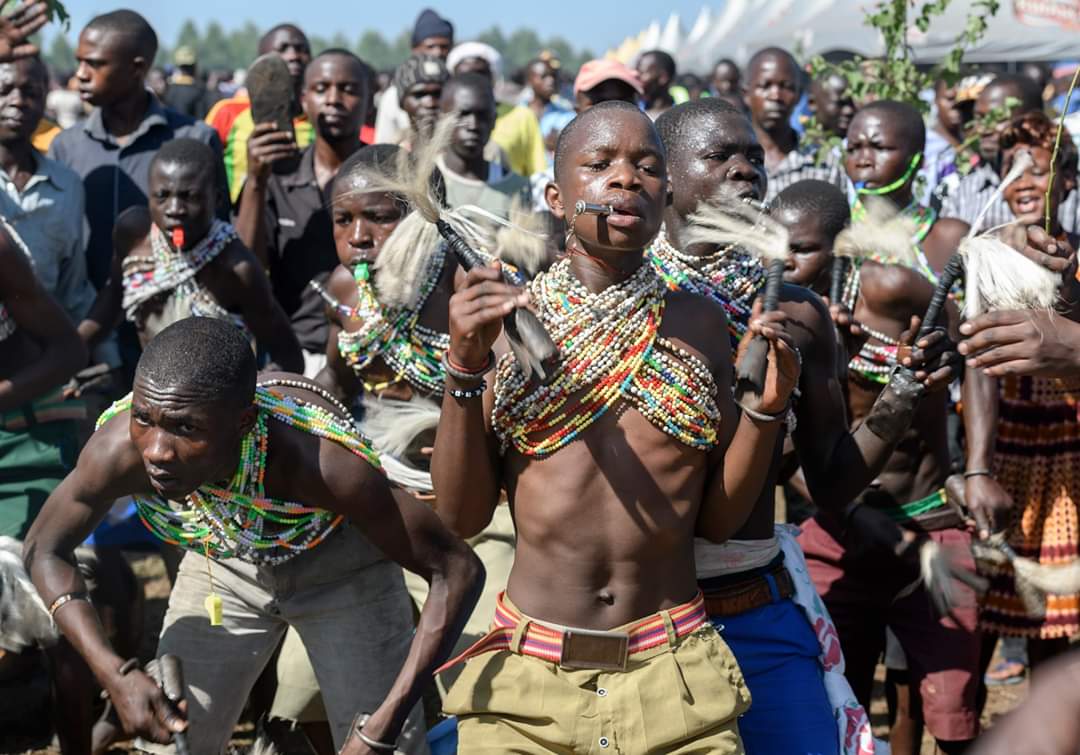
- Bagisu/ Mbale district: Visit the different Camino settings of the Bagisu people and explore their different cultural practices like the popular “ Mbalu ceremony”. So, the Mbalu cultural activity of the Bagishu initiates one from being a child to being a man, and this ceremony is accompanied by traditional chants and dances. So, this shows their strong spirit and the love they have for their tribe.
The Northern Uganda region cultural Tours.
The Northern region of Uganda has tribal groups like the Acholi, Karamojong, the Lango, and many more. So, this diversity in tribes offers an opportunity to explore the unique cultural ways of living by the different groups of people. Below are some of the top-rated northern regions to conduct the best cultural tours in Uganda.
- Kidepo Valley: This area is famous for game viewing safaris. However, the inhabitants of the Kidepo Valley region are the Karamojong. The Karamojong are known for their pastoral keeping practices and their unique traditions.
- Gulu district: Gulu city exhibits more of the Acholi culture, and is a modern city where cultural tours can be done on bicycles. So, explore and enjoy traditional music and dance such as the Larakaraka Acholi dance. Also, visit memorial sites in Gulu like the Uganda Martyrs Shrine, which is of significance to the Catholic community.
Visit Western Uganda for Uganda cultural tours
The western region in Uganda has tribes including the Banyakole, Banyoro, Batooro, Batwa, Bakiga, and many others. These are all part of the Vantu ethnic group so, share some cultural customs such as cattle rearing. Visit the places below in western Uganda for the best cultural experiences.
- Bwindi Impenetrable National Park and Mgahinga Park: Explore the culture of the Batwa people known for their traditional practices, such as hunting and fruit gathering practices in Bwindi. Additionally, the Batwa are one of the tribes worldwide that still carry out these unique traditions and customs. Also, enjoy their entertaining and warm hospitality during your Uganda cultural tours in Bwindi. Additionally, combine gorilla trekking in Bwindi on top of the Batwa culture visits since this park has the largest population of mountain gorillas in Africa.
- The Bakonzo culture (found at the foot slopes of Mount Rwenzori): The Bakonzo are found around Mountain Rwenzori, one of the highest mountains in Africa, known for its magnificent views. So, one can dive not only into the Bakonzo culture but also into exploring the different vegetation zones at Mount Rwenzori.
- Visit Tooro palace and the Amabere ng’anyinamwiru: Tooro is one of the modern kingdoms in Uganda, built in a stylish, luxurious way. Hence, appreciates the coexistence of modern architecture with the historical Tooro heritage during their cultural encounters at the Palace. Also, you can visit the caves (Amabere ng’anyinamwiru meaning the breasts of the princess) that have a fascinating historical background behind them.
- Igongo Cultural Centre: Get knowledge and stories about the people of Ankole, who are known for their cattle herding passion. Also, taste their traditional cuisine that majorly has cow products, namely “ Eshabwe” that is normally eaten with “ Karo” and “ Bongo”. The latter is a drink made from milk. Lastly, you can take a tour through Mbarara town and see the different landmarks and market areas that sell local products.
Essential Tips for Respectful Cultural Tours in Uganda
- Consider selecting an expert local guide who is very knowledgeable about the community and the culture to be explored. Goar Africa Safari Tours will offer you the best guide for your Uganda cultural tours.
- Dress modestly as a form of respect while going for the cultural encounters in Uganda. So, this is because tribes in Uganda, like the Baganda against indecent dressing.
- Choose a legit tour operator in Uganda for these cultural tours by following up with other people’s reviews on their services.
- Taking pictures without permission is highly prohibited because it could be a form of disrespect to some cultures in Uganda.
- Also, learn basic interactions with these tribes in Uganda, most especially the greetings. Hence, they are going to interact with you passionately for example, the Banyakole people say “Agandi” to mean how you.
- Uganda has many cultures with different traditions and customs. Therefore, before going for a cultural tour, research about the habits of some of these cultures in Uganda and how to interact with them.
- For greater and deeper cultural immersion, consider staying within the community during the cultural safaris in Uganda.
- Lastly, support the people of the local community by buying their traditional handmade crafts and their local goods. This is considered a gesture of goodwill by these tribes in Uganda, for exampl,e buying handicrafts from the Bakonzo.
Frequently Asked Questions about Uganda Cultural tours
What is the best time to visit Uganda for cultural tours?
Cultural safaris in Uganda can be done at any time of the year. However, the dry months from June to October is the best time to visit Uganda for cultural tours. So, the weather is ideal (hence the dry roads) for these speciality tours in Uganda because it is easy to access some of the community villages in remote places like Karamoja. Also, you can easily engage in other activities during this time, like village walks. Additionally, this time also offers an opportunity to combine cultural tours with wildlife safaris like the Big Five in Uganda.
What is the worst time for cultural visits in Uganda?
March to May are wet months with long heavy downpours in Uganda, hence the worst times to do cultural tours in the country. Since most cultural visits involve road trips that would be adventurous, the fun is disrupted by delays and stops due to muddy roads. Some routes used for cultural tours, such as the road from Kampala to Kasese, are hardly accessible.


