
Tanzania Cultural Tours 2026 - Maasai, Hadzabe & More
Tanzania is one of the best African countries, known for its rich cultural heritage that ranges from the savannas through Dar es Salaam to the coastlines of Zanzibar. From the savannahs of northern Tanzania to the seaside spirit of Zanzibar, Tanzania cultural tours provide access to one of Africa’s richest living traditions. So, this is an array of old rituals, lively towns, and varied ethnic groupings. Cultural safaris in Tanzania provide visitors looking for more than just animals with life-changing experiences with people whose lives, beliefs, and stories have shaped this amazing country.
Here’s what you need to know about cultural tours in Tanzania.
Why choose Tanzania for your cultural tours in Africa
Tanzania is one of the countries that has unique ethnic groups, like the Hadzabe people. Such ethnic tribes bring back the ancient ways of living to the modern world. Hence, one would be lucky to witness all this through the Tanzania cultural tours.
Tanzania cultural safaris highlight how ancestral history is impactful to the day-to-day life in Tanzania. So, one also gets an opportunity to experience a cultural synthesis of the historical arts and traditional cuisines of the Swahili culture that is a combination of the Africans, Arabs, Persians and other European influences. Hence, this can hardly be found anywhere but through the cultural tours in Tanzania.
When is the worst and best time to go for Tanzania cultural tours?
The dry season from July to October and January to February is the best time to visit Tanzania for cultural tours. So, these months are fit for wildlife safaris in Tanzania, most especially the wildebeest migration in Serengeti, which happens during the great cultural festivals, such as the Mwaka kogwa festival that happens between January and to February.
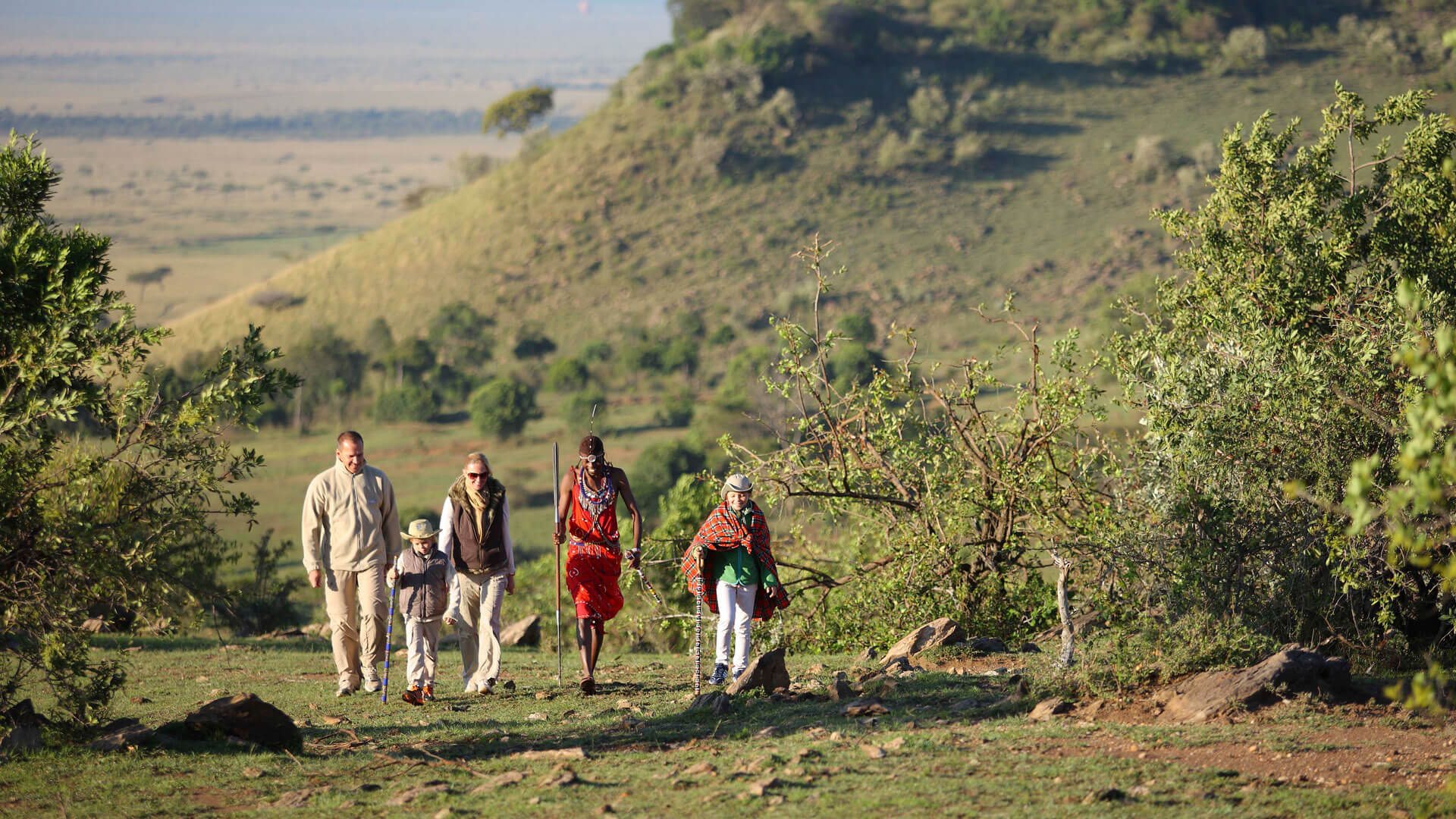
So, travelling to cultural tour destinations like Lake Eyasi becomes easier compared to the months from March to May when the weather is wet. Therefore, the months from March to May are the worst times to go for cultural safaris in Tanzania. Also, the roads that lead to cultural centers in Tanzania are of limited access because they are flooded with water. Hence, this disrupts activities such as walking through the Maasai homesteads, where one would get an opportunity to explore the daily lives of these people in Tanzania.
Ethnic Groups You’ll Meet on Tanzania Cultural Tours
1. The Maasai people;
The Maasai People are found in northern Tanzania. Additionally, they are known for nomadic pastoralism practices, and have a vibrant, traditional way of dressing. The Maasai people speak the Swahili language and live in both Tanzania and Kenya. They are also renowned for their warrior-like nature with a historical background of being skilled fighters.
2. Visit the Hadzabe people.
The Hadzabe is one of the ethnic groups in the world known to be one of the last groups that practice hunting and gathering food and fruits. Additionally, the Hadzabe settle around the great scenic vistas of Lake Eyasi in Tanzania. The men are the ones who usually carry out the hunting as their role, and women are food gatherers and the ones who do other home duties. Just as the Khoisan of South Africa, the Hadzabe people use the Click language.
3. The Chagga people of Tanzania.
These are agriculturists with skilled farming techniques, including irrigation methods. Also, they inhabit the foot slopes of Mountain Kilimanjaro. The Chagga people are part of the Bantu-speaking people, and are one of the ethnic groups in Tanzania available in large numbers. Lastly, the staple food of the Chagga people is Nyama Choma.
4. Visit the Datoga people during your Tanzania cultural tours.
The Datoga people reside within the premises of Lake Eyasi in the same proximity as the Hadzabe. The Datoga people are renowned for being skilled blacksmiths. Also, these people are part of the Nilotic people found in other East African countries like Uganda. Lastly, they are also related to the Kalenjin people in Kenya, and their dressings are made out of animal skin. So, this is one of the unique things about the Datoga tribe in Tanzania.
5. Iraqw people.
These are highland settlers who are also found within the Lake Manyara region. The Iraqw people practice both farming and cattle herding. This group of people speaks a unique language that is known as the Iraqw. Also, the Iraqw people are part of the Cushite-speaking people. This is the hardest-working tribe among all the ethnic groups in Tanzania.
5. The Sukuma people.
This is the largest among all the ethnic groups in Tanzania. The Sukuma people inhabit Northern Tanzania around the shores of Lake Victoria. Also, they carry out various activities like farming, fishing, and cattle farming. Lastly, the Sekuma people have a strong relation to the Nyamwezi, who were known to have semi-god like characters, and their language is called ‘’Kisukuma’’.

Top Tips for the cultural safaris in Tanzania
- Taking pictures without asking for permission may be seen as a form of disrespect to the local people in Tanzania. Therefore, refrain from this by kindly asking before taking any images during your Tanzania cultural safaris.
- Make sure to bond in and be more interactive with the people respectfully during your cultural tours in Tanzania villages.
- Make sure to show support to the local communities in Tanzania by buying their local handcrafted products.
- The way of dressing should also be decent so as not to attract unnecessary attention to oneself.
- One should research how to behave during their cultural expeditions in Tanzania. Also, learn the easy words that are used during greetings. For example, in most of the cultures in Tanzania, Kiswahili is the language that is used during interaction. So, you can get someone by saying“ Jambo “, and they will reply “ Muzuri”.
- For an authentic and exclusive safari, one should get a certified Tanzania tours cultural operator.
Where to go for cultural tours in Tanzania
1. Maasai villages.
These can be found in wildlife reserve centers in Tanzania such as Serengeti National Park and Ngorongoro Conservation Area. These Maasai villages are structured in a traditional homestead way. So, during the cultural tours in Tanzania, one gets to immerse oneself in the unique cultural practices, such as the adumu dance.
This is a celebratory way of welcoming the visitors to Maasai Land. Visitors can also witness the daily way of living of these Maasai people, such as the way they raise their cattle and the way they connect with Mother Nature, especially the herbal medicine to treat diseases.
2. Visit Lake Eyasi region for Tanzania cultural trips.
The tribes found here are the Hadzabe and the Datoga people. Even if they have different customs and traditions, they still co-exist together. During cultural tours here, one will be able to witness the skills used by one of the last hunting and gathering tribes, which are the Hadzabe people.
So, even if it is thrilling, it gets more interesting when interacting with the Datoga people because one gets to experience the ancient way of creating metallic instruments through blacksmithing without the use of modern technology. But hand skills and traditional knowledge.
3. Foothills of Kilimanjaro Mountain.
The Chagga people are the renowned inhabitants of the Mount Kilimanjaro region. The region’s foot slopes are very fertile, so they support agricultural practices of the Chagga ethnic group. Hence, when you visit the Kilimanjaro region, you’ll be able to witness the different techniques of farming that are used in growing different crops, most especially the coffee plantations.
The scenic landscape of Mount Kilimanjaro is not only breathtaking, but it brings paradise to earth. Hence, one should not miss this opportunity to come to Tanzania and experience such mind-blowing Safari with experiences, Kilimanjaro hiking, and cultural tours in Tanzania.
4. Zanzibar coastal region.
Zanzibar is popular for its great infrastructure and architectural buildings that depict the ancestral historical significance and impact the modern Tanzania. This is a region where you find most of the couches all intertwined into one. And even with that,, distinct traditions and customs, are all similar in a way. On your Zanzibar cultural tour in Tanzania, you can explore the different slave routes in Stone Town that were used Also, take in the aromatic flavor from the spice markets in Zanzibar. Liven up the Zanzibar cultural experience by visiting the white sand beaches that surround the open seas of the Indian Ocean in Zanzibar, such as Unguja Beach.
5. Iraqw cultural visits in Tanzania.
If one wants a less crowded and exclusive cultural experience in Tanzania, they should visit the Iraqw cultural group. So, this because it is not popular among tourists. Therefore, a few people usually get to interact with them. These people live in proximity to Lake Manyara. So, during your visit to the Iraqw, explore their traditional homesteads that are uniquely built in the ancient architectural design of their establishment in the underground. So, this is only found in the Iraqw culture. Also, take a walk through their farm plantations.
6. Mwanza
Here, visit the museum of one of the largest tribal groups in Tanzania. These are the Sukuma people known for their snake-like dance. Also, visit Mwanza for your Tanzania cultural tours and witness the bullfighting ceremonies, where fighters showcase their traditional skills.


