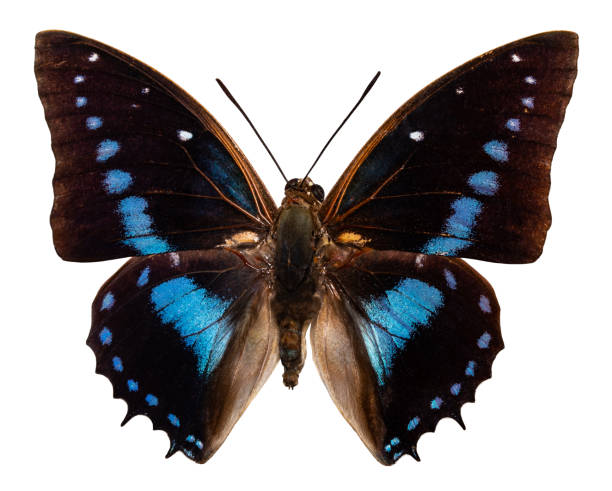
Kenya has over 1,200 butterfly species, the most in East Africa. Hence, this makes it one of the top butterfly safari destinations in Africa. While most visitors come for the Big Five and the Great Migration in Masai Mara, butterfly safaris in Kenya offer a quieter, equally exciting experience. The best places to visit in Kenya for butterfly safaris include Kakamega Forest, Arabuko-Sokoke Forest (near Watamu and Malindi), Tsavo National Parks and Maasai Mara.
Also, it is highly advised that those interested in nature, macro photography, and families searching for an activity that is both soothing and informative on a budget go on a butterfly safari in Kenya. Guided walks with specialist guides last 2-4 hours while tracking butterflies in Kenya and focus on identification, behaviour and photography. So, no special equipment is needed beyond comfortable shoes, sunscreen and a good camera or phone with macro capability. Looking for a peaceful, colourful break from the usual game drives? Add a butterfly safari in Kenya to your itinerary; it’s one of Kenya’s best-kept secrets. 
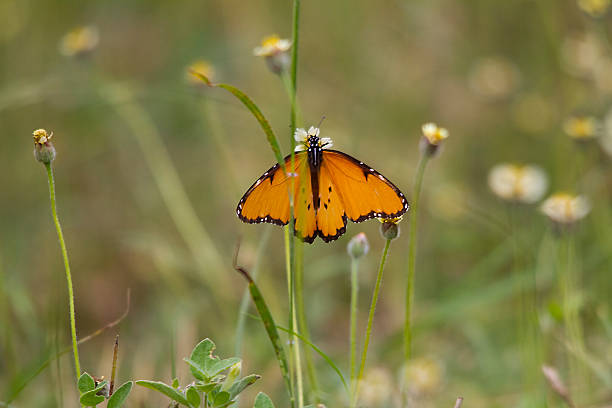
(This list of butterflies of Kenya will make you gasp, reach for your camera, and instantly fall in love during your trip).
1. African Giant Swallowtail (Papilio antimachus):
The undisputed king of African butterflies. With a wingspan of up to 25–28 cm, it’s the largest butterfly in Kenya and Africa. Males are stunning black-and-orange; females are more muted but still huge. Spotting one gliding high above Kakamega Forest feels like seeing a flying piece of art.
2. Charaxes
The “Rajah” Butterflies Kenya has more than 60 species of these fast-flying, powerful beauties. Look out for:
- Charaxes brutus natalensis (White-barred Charaxes) – electric blue bands on black wings
- Charaxes varanes (Pearl Charaxes) – shimmering green and pearl flashes in the sunlight. They love ripe fruit and fermented sap, so guides often set up “fruit traps” pure magic watching a dozen of them feed together.
3. Acraea butterflies in Kenya
The Little Dancers: Over 90 species in Kenya. The bright orange Acraea esebria (Dusky-veined Acraea) and the delicate pink-and-white Acraea johnstoni are everywhere in the Mara and Tsavo after the rains. They float in slow-motion clouds perfect for first-time photographers.
Other Butterflies in Kenya include
4. Citrus Swallowtail (Papilio demodocus) The classic big yellow-and-black butterfly you see fluttering around lemon and orange trees even in Nairobi gardens. Super common, super beautiful, and a great one for kids to photograph up close.
5. Mocker Swallowtail (Papilio dardanus) – The Master of Disguise. One of nature’s coolest tricks: males are bright yellow with black markings, but females mimic completely different (and sometimes poisonous) species to avoid predators. Spotting a female that looks nothing like the male is a proper “wow” moment.
6. Graphium – The Swordtails: Elegant white or pale-green butterflies with long, graceful tail streamers. Graphium antheus (Large Striped Swordtail) is the show-stopper it looks like a tiny flying zebra when the light hits its wings.
Endemic & Rare butterfly Gems (Arabuko-Sokoke Forest specials)
7. Charaxes xiphares (Forest Pearl Charaxes) – creamy white with orange tips
8. Salaami charaxes – found almost nowhere else on earth. These coastal rainforest endemics are the holy grail for serious butterfly watchers.
9. The Tiny Blues (Lycaenidae family). During the wet season in the Mara, Kenya, millions of tiny electric-blue and copper butterflies rise from the grass like living glitter. Walking through a meadow and seeing them swirl around your ankles is pure childhood wonder for adults.
Pro tip from the professional butterfly guides in Kenya: Early morning (7–10 am) and late afternoon (4–6 pm) are when most butterfly species are active in Kenya and the light is perfect for photos. Bring a macro lens or a phone with a clip-on macro attachment – you’ll thank us later!
These incredible unique species are the reason a butterfly safari in Kenya feels like stepping into a living jewellery box. Which one will be your favourite?
1. Kakamega forest
Through the scenic, astounding forest trail, tourists explore over 500 butterfly individuals in Kakamega forest. This forest is located in the western parts of Kenya and it takes an 8-hour drive from Nairobi to this destination. The top butterfly species in Kakamega forest include the giant African swallowtail, the Forest mother, pearl, and rare butterfly gems such as the green banded swallowtail. So, these are all found in the thickets of the Kakamega forest.
Other wild species to spot in Kakamega forest during your Kenya butterfly safari include bushbucks, mongoose, and porcupines. Birds to watch in Kakamega forest, Kenya, include the great blue turaco, hornbills and more to be observed during the butterfly watching safaris.
2. Lake Nakuru National Park.
This national park in Kenya is located strategically in the Great Rift Valley. So, it is a 3 and a half hour road drive for someone coming from Nairobi, covering 160 kilometers. However much Lake Nakuru National Park is known for having a high concentration of birds, most especially the pink flamingos, it also has butterfly species such as the lepidochrysops neonegus, the Charaxes kirki, the Acraea, Common Diadem.
These butterfly species at Lake Nakuru are usually spotted at the cliff zones, the woodland savannas of the park. Also, a high butterfly population is usually concentrated at the Makalia Falls in the park. Also, enjoy game viewing safaris at Lake Nakuru in addition to the birding and butterfly expeditions.
3. Mount Kenya National Park
Explore the different butterfly species Africa’s Mount Kenya National Park. The distance from Nairobi to Mount Kenya is about 189 km, and it takes over 3 hours to get there. The unique vegetation zones at Mount Kenya, such as the montane forests, are a habitat to butterflies such as the Meru protea butterfly, the pointed pearl Charaxes, and many more.
However, besides butterfly watching, one can also indulge themselves in some of the top safaris in Mount Kenya, such as mountain climbing, birding safaris and many more.
4. Nandi Hills.
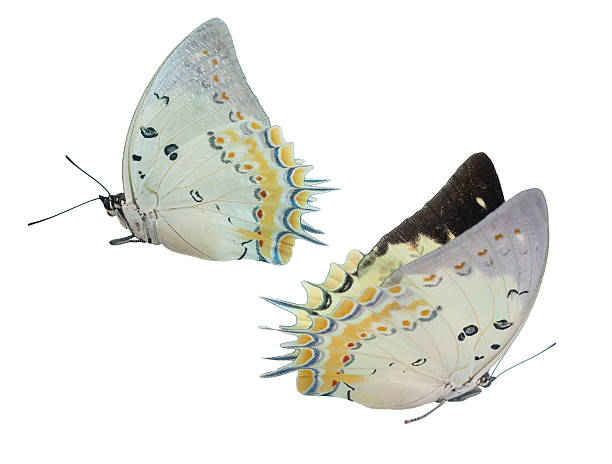
Nandi hills are located in the Southern highland regions of Kenya. So, from Nairobi to these hills, it takes 4 to 5 hours to cover over 300 kilometers. Additionally, the Nandi hills are not only endowed with magical, dramatic vistas, but harbor to unique butterfly species. Some of the popular butterfly species to see at Nandi Hills, Kenya, include the Papilio rex, Colotos ione, Precis Octavia, the forest whites and the African monarch. Therefore, one should get ready to dive into the splendid beauty of Mother Nature while on a butterfly safari in Kenya’s Nanti Hills.
5. Abardare National Park, Kenya
From Nairobi to Aberdare National Park, it takes over 2 hours and 30 minutes to get there. Additionally, this park is located in the Central region in the hilly areas of Kenya. Aberdare National Park has bamboo forests and the thick forests that are a haven to butterfly species such as the Painted Ringlet, the Euchloe simplonia and the Charaxes nandina. Lastly, Aberdare National Park also has great scenic views most especially the breathtaking vistas of the Aberdare Mountains.
6. Mida Butterfly Farm in Kenya.
This butterfly rearing farm is located in the coastal regions of Kenya. In addition, it takes one 100 kilometers from Nairobi to reach this farm. Mida Butterfly Farm has a blend of different butterfly species such as the Holden piper, the African Monarch, Hypolimnas, Salamis, and many more. This butterfly watching destination is distinctive from others because it offers research, Educational, and tourism programs about the butterflies to the tourists. So, this is hardly found in other butterfly watching spots in Kenya. The proximity of the farm to the Arabuke- SoKoke forest adds to the beauty of the panoramas.
7. Butterfly watching safaris in Kenya’s Shimba Hills.
Shimba Hills are located in the Southern coastal areas of Kenya. Also, they are highlands that are endowed with unique vegetation zones such as the wild plants and the rainforests. Shimba Hills harbor butterfly species such as the African queen, the blue-spotted Charaxes, Roger’s sailer and the Acraea aubyni.
Additionally, Shimba Hills in Kenya have enchanting panoramas that are ideal for scenic landscapes such as the Sheldrick Falls. The latter offer great experiences such as picnicking in addition to the butterfly watching safaris in Kenya.